
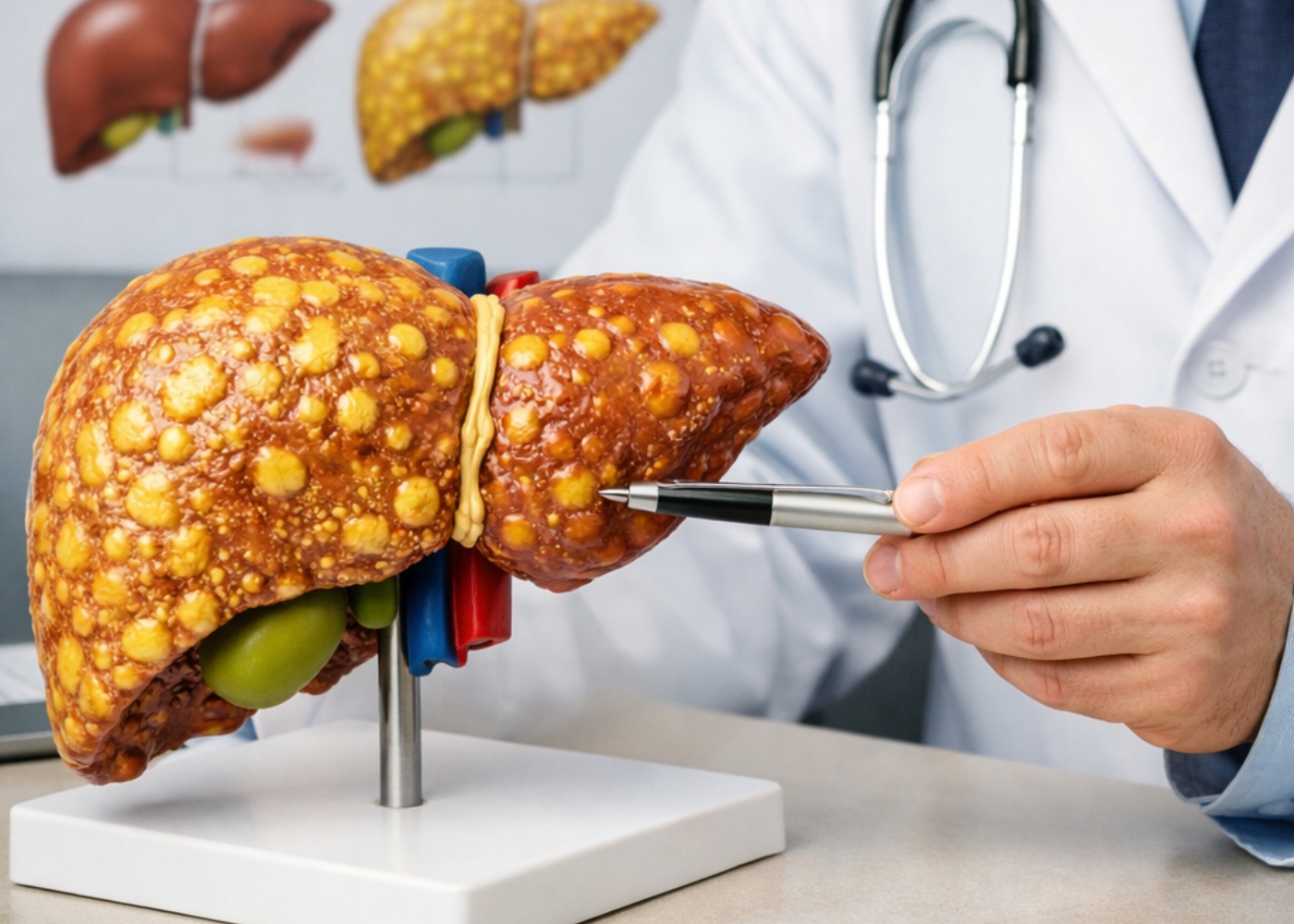
Your liver processes over 500 functions daily, making it one of your body’s hardest-working organs. When fat accumulates beyond 5-10% of its weight, fatty liver disease develops, a condition now affecting 25-30% of adults globally. The encouraging news? Clinical research confirms this condition is largely reversible through targeted lifestyle modifications, dietary changes, and natural Ayurvedic support. Understanding the symptoms, causes, and science-backed strategies empowers you to take control of your liver health and reverse fatty liver naturally.
What Is Fatty Liver Disease?
Fatty liver disease occurs when excess fat accumulates in liver cells. This condition exists in two primary forms:
Non-Alcoholic Fatty Liver Disease (NAFLD) develops in people who drink little to no alcohol. It’s closely linked to insulin resistance, obesity, type 2 diabetes, and metabolic syndrome. NAFLD has become the most common liver condition worldwide, affecting approximately 25-30% of the global population. When inflammation accompanies fat accumulation, it progresses to Non-Alcoholic Steatohepatitis (NASH), which can lead to liver scarring and cirrhosis if left unmanaged.
Alcoholic Fatty Liver Disease (AFLD) results from excessive alcohol consumption over time. The liver prioritizes processing alcohol over other nutrients, leading to fat accumulation. This form is directly related to alcohol intake levels and duration, and improvement requires reducing or eliminating alcohol consumption.
Recognizing Fatty Liver Symptoms
Fatty liver often progresses silently, which is why it’s sometimes called a “silent” condition. Many people have no symptoms in the early stages, discovering the condition only through routine blood tests or imaging. However, as fatty liver advances, specific signs emerge that shouldn’t be ignored:
Persistent Fatigue and Weakness
Unexplained tiredness that doesn’t improve with rest is one of the earliest indicators of fatty liver disease. This fatigue often interferes with daily activities and productivity, signaling that your liver may be struggling to perform its essential metabolic functions.
Upper Right Abdominal Discomfort
A dull ache or feeling of fullness in the upper right side of your abdomen, where your liver is located. This discomfort may worsen after eating and indicates liver enlargement or inflammation.
Unexplained Weight Loss and Loss of Appetite
Sudden loss of appetite accompanied by unintentional weight loss may signal advancing liver disease. Your body’s reduced ability to process nutrients affects hunger signals and metabolism.
Elevated Liver Enzymes in Blood Tests
Routine blood work showing high ALT (Alanine Aminotransferase) and AST (Aspartate Aminotransferase) levels often provides the first indication of fatty liver. These enzymes leak into the bloodstream when liver cells are damaged or inflamed.
Advanced Stage Warning Signs
Jaundice (yellowing of skin and eyes), dark urine, pale stools, abdominal swelling, or swelling in the legs and ankles indicate advanced liver disease requiring immediate medical attention. These symptoms suggest significant liver dysfunction and potential progression to cirrhosis.
Evidence-Based Reversal Strategies
Here are some strategies to reverse fatty liver.
Dietary Modifications
The Mediterranean diet demonstrates superior liver fat reduction in multiple clinical trials. Research published shows significant liver fat reductions within 12 weeks of Mediterranean-style eating, even without calorie restriction. This approach emphasizes vegetables, fruits, whole grains, fatty fish rich in omega-3s, extra virgin olive oil, nuts, and legumes while limiting red meat, processed foods, and added sugars. The combination of healthy fats, fiber, and antioxidants supports liver health through multiple mechanisms, including reduced inflammation and improved insulin sensitivity.
Exercise and Weight Management
Exercise reduces liver fat independent of weight loss, making it one of the most powerful interventions available. Studies in the Journal of Hepatology confirm 20-30% liver fat reduction with regular exercise over 12 weeks. Aim for 150-300 minutes per week of moderate-intensity aerobic activities like brisk walking, cycling, or swimming. Include resistance training at least twice weekly to build muscle mass, which improves metabolic health and insulin sensitivity. Even modest weight loss proves beneficial; losing just 5-7% of body weight improves liver fat content, while 10% weight loss can reduce inflammation and potentially reverse early-stage fibrosis.
Ayurvedic Support
Traditional Ayurvedic medicine has recognized the liver’s central role in health for thousands of years. Modern research increasingly validates these time-tested herbs for liver support. Kapiva Liver Care Juice combines Punarnava (Boerhavia diffusa), known for hepatoprotective and gentle diuretic properties that support natural detoxification, Kalmegh (Andrographis paniculata), which supports healthy liver enzyme levels and reduces inflammation, Bhringraj (Eclipta alba), which protects liver cells from oxidative stress, and Amla (Indian Gooseberry), rich in vitamin C and antioxidants. Formulated by experts at Kapiva Academy of Ayurveda and manufactured in GMP-certified, USFDA-approved facilities, each ingredient undergoes rigorous testing for purity and potency with no harmful side effects.
Start Your Liver Health Journey Today
Your liver possesses a remarkable capacity for regeneration—positive changes you make today create measurable improvements tomorrow. Kapiva Liver Care Juice bridges centuries of Ayurvedic wisdom with modern scientific validation, featuring clinically-researched herbs like Punarnava, Kalmegh, Bhringraj, and Amla. Each bottle delivers pure, unadulterated nutrition manufactured in GMP-certified, USFDA-approved facilities with rigorous quality testing ensuring safety and potency.
Ready to support your liver naturally? Consult with our Ayurvedic experts for personalized guidance at 1800-274-2575. Explore our complete range of detox juices, including Noni Juice for digestive wellness and Papaya Leaf Juice for immune support, comprehensive wellness support backed by tradition and science.
Frequently Asked Questions
Can fatty liver be completely reversed?
Yes, simple fatty liver (steatosis) can often be completely reversed through sustained lifestyle modifications, including weight loss, dietary changes, and regular exercise. Studies show that losing 7-10% of body weight significantly reduces liver fat and inflammation.
How long does it take to reverse fatty liver disease?
The timeline varies based on disease severity, starting weight, and consistency of lifestyle changes. Many people see liver enzyme improvements within 3-6 months of implementing dietary modifications and exercise routines. Significant liver fat reduction typically occurs over 6-12 months of sustained effort.
What foods should I avoid with fatty liver disease?
Limit or avoid foods high in added sugars, including sodas, sweetened beverages, candy, and baked goods. Reduce refined carbohydrates like white bread, white rice, and regular pasta that spike blood sugar.
Are Ayurvedic herbs effective for fatty liver?
Clinical research increasingly validates traditional Ayurvedic herbs for liver support. Punarnava demonstrates hepatoprotective and diuretic properties, Kalmegh shows anti-inflammatory and hepatoprotective effects, and Bhringraj protects against oxidative stress while supporting liver cell regeneration.
What exercise is best for reversing fatty liver?
Both aerobic exercise and resistance training effectively reduce liver fat through different mechanisms. Aim for 150-300 minutes per week of moderate-intensity aerobic activities like brisk walking, cycling, swimming, or dancing. Include strength training 2-3 times weekly to build muscle mass, which improves insulin sensitivity and metabolic health.