Categories
Ayurvedic Lifestyle

Shilajit 101: Complete Guide to Uses, Benefits & What It Really Does

If you have been exploring natural supplements for energy, vitality, or overall wellness, chances are you have come across shilajit. But what is shilajit exactly, and why has it been used in Ayurveda for thousands of years? Shilajit is a dark, sticky resin that oozes from rocks in high mountain ranges. It forms over centuries as plant matter decomposes and combines with minerals under intense pressure. Ancient Ayurvedic texts describe it as a powerful rejuvenator, and modern research is beginning to show why this substance has earned such a respected place in traditional medicine. What Is Shilajit Made Of? The Science Behind the Resin The star component is fulvic acid, which makes up a significant portion of quality shilajit. Fulvic acid acts like a delivery system for your cells, helping nutrients get absorbed more efficiently while supporting the removal of waste. Beyond fulvic acid, shilajit contains essential minerals in ionic form, meaning your body can actually use them. You will also find humic acid, dibenzo-alpha-pyrones (which support cellular energy), and a range of amino acids.  What Is Shilajit Used For? Traditional and Modern Applications Wondering what shilajit is used for in everyday life? The applications span from ancient Ayurvedic practices to modern wellness routines. Traditionally, practitioners used shilajit as a general tonic for energy, stamina, and longevity. Today, people reach for it to address specific health goals related to sustained energy and physical endurance. Athletes and fitness enthusiasts appreciate its potential for supporting endurance and recovery. Office workers dealing with fatigue from demanding schedules use it for sustained energy throughout the day. And many people simply take it as part of their daily wellness routine to feel more energized and combat tiredness. Pure resin forms like Kapiva Shilajit Pure Resin offer the traditional experience, while capsule options provide convenience for busy lifestyles. The choice depends on your preferences and how you like to take supplements. Key Benefits of Shilajit for Your Health Now that you know what shilajit is and what it is used for, let us look at the specific ways it can support your health. These benefits are backed by both Ayurvedic tradition and modern clinical research. Supports Sustained Energy  Shilajit supports sustained energy by enhancing mitochondrial function. Mitochondria are the powerhouses of your cells, and when they work efficiently, you feel more energized throughout the day. A clinical study published in the Journal of the International Society of Sports Nutrition (Keller et al., 2019) found that 8 weeks of shilajit supplementation promoted the retention of maximal muscular strength and supported favorable muscle and connective tissue adaptations. Rather than giving you a quick spike followed by a crash, shilajit helps your body generate sustained energy. Increases ATP Production for Cellular Energy ATP (adenosine triphosphate) is the energy currency of your cells. Shilajit supports increasing ATP production, which means more energy available at the cellular level. When your cells have adequate ATP, physical activity and daily tasks become easier. The dibenzo-alpha-pyrones in shilajit play a key role in supporting this energy production process. Improves Physical Endurance Whether you exercise regularly or just want more endurance for daily activities, shilajit supports improving physical endurance. Clinical research showed that participants maintained greater muscular strength following fatiguing exercise protocols, suggesting shilajit helps the body perform better during physical exertion. With consistent use, many people notice they can do more without feeling as tired. Aids Nutrient Absorption Shilajit aids nutrient absorption thanks to its high fulvic acid content. Fulvic acid helps transport nutrients into your cells more effectively. You could be eating a well-balanced diet, but if your body cannot absorb those nutrients properly, you will not get the full benefit. Shilajit helps bridge that gap, ensuring your body can use the nutrition you provide it. Helps Counteract Fatigue Linked to High Stress or Poor Recovery Shilajit helps counteract fatigue linked to high stress or poor recovery. In today’s demanding world, many people struggle with persistent tiredness that sleep alone does not fix. By supporting cellular energy production and nutrient uptake, shilajit addresses fatigue at its root rather than just masking symptoms. With consistent use over time, many users report feeling less drained even during stressful periods. How to Use Shilajit Safely and Effectively Getting the most from shilajit requires knowing how to use it properly. For pure resin, scoop 1/4th resin using the spoon provided, add it to warm water or milk, and stir for 2-3 minutes. The warmth helps it dissolve completely and may improve absorption. Important: Shilajit should be consumed in the morning after a meal, never on an empty stomach. This helps with optimal absorption and prevents any digestive discomfort. Give it at least 3 months of consistent daily use before judging results. Ayurveda takes 6 months to make big changes from within, so patience and consistency are key. Quality matters enormously with shilajit. Poorly sourced products may contain contaminants or lack potency. Kapiva products are manufactured in GMP-certified, USFDA-approved facilities with rigorous testing for heavy metals, toxins, and contaminants. You can explore the complete Kapiva Shilajit collection to find a product that suits your needs. The Bottom Line Whether you are new to Ayurvedic supplements or looking to add a time-tested ingredient to your wellness routine, shilajit offers a natural way to support sustained energy, physical endurance, and overall vitality. Clinical research continues to validate what Ayurveda has known for centuries. Start with a quality product, be consistent, and give your body time to experience the benefits. You can explore the full Kapiva Shilajit range to find a product that fits your needs. Frequently Asked Questions What is shilajit in simple terms? Shilajit is a natural resin that forms in mountain rocks over centuries. It contains essential minerals and fulvic acid that support sustained energy and physical endurance. What is shilajit made of? Shilajit is made of decomposed plant matter combined with minerals. Its key components include fulvic acid, humic acid, dibenzo-alpha-pyrones, and essential minerals. What is shilajit used for? Shilajit is used to support sustained energy,


Categories
Cider Vinegar

Can Apple Cider Vinegar Really Help with Weight Loss?

Social media often presents apple cider vinegar weight loss as a miracle solution, yet the truth sits somewhere between hype and reality. Research points to steady, meaningful changes when ACV is paired with healthier habits, regular meals, and daily movement. The science behind apple cider vinegar benefits reveals what ACV can genuinely do for your weight goals. Why Is Apple Cider Vinegar Special for Weight Loss Apple cider vinegar comes from fermented apples containing acetic acid and the “mother” a mix of enzymes, proteins, and friendly bacteria. This fermentation process supports digestion and gut wellness, both important for the benefits of apple cider vinegar for weight loss. The low-calorie content isn’t what brings ACV benefits. The real impact comes from how acetic acid affects fat-burning pathways. Studies suggest acetic acid activates AMPK, an enzyme that encourages fat breakdown while slowing fat production. Kapiva Apple Cider Vinegar is sourced from Himalayan apples and retains the mother, supporting digestion, metabolism, and everyday wellness. Does Apple Cider Vinegar Really Benefit Your Metabolism Ayurveda explains metabolism through Agni, the digestive fire responsible for breaking down food effectively. When Agni is strong, your body processes meals smoothly and prevents the build-up of Ama, which often contributes to weight gain. ACV supports Agni by boosting digestive enzymes and stomach acid, allowing proteins and fats to break down more efficiently. Acetic acid slows stomach emptying, which helps you stay full longer and naturally reduces calorie intake. Research shows ACV may improve insulin sensitivity, an important step for controlling cravings and managing appetite. Apple Cider Vinegar supports metabolism by improving digestion and helping your body tap into its natural fat-burning mechanisms, making ACV for weight loss a practical addition to weight routines. What Does Science Say About Apple Cider Vinegar Weight Loss Research examining apple cider vinegar weight loss shows consistent but modest improvements. A 2018 study followed 39 overweight individuals on calorie-restricted diets. Adding 30 ml of ACV daily for 12 weeks led to greater reductions in BMI, visceral fat, and hip measurements compared to diet alone. A meta-analysis reached similar conclusions, reporting decreased body weight and waist circumference with regular ACV intake. The most effective protocols used around 30 ml daily for 12 weeks. Another study with 120 participants tested different doses and observed weight loss at all levels, with higher doses producing greater reductions in body fat and improvements in triglycerides and cholesterol. Most results fall within 1–2 kg weight loss over 12 weeks, supporting realistic expectations for those exploring the benefits of apple cider vinegar for weight loss. One widely circulated study was retracted in 2025 over data concerns, highlighting the importance of measured expectations. What Are the Other Apple Cider Vinegar Benefits Beyond Weight Loss Many apple cider vinegar benefits extend beyond the weighing scale. ACV contains antimicrobial properties that help guard against harmful bacteria and fungi. Skin health may also improve due to its cleansing and antimicrobial nature. Acetic acid and polyphenols act as antioxidants, reducing inflammation and protecting cells from oxidative stress. Chronic inflammation is closely tied to stubborn weight issues, so reducing it supports overall metabolic wellness. Medical institutions document ACV’s effects on cholesterol levels, showing reduced LDL and improved HDL. Research: https://www.healthline.com/nutrition/6-proven-health-benefits-of-apple-cider-vinegar#lowers-blood-sugar Blood sugar stability also improves when ACV slows starch breakdown, helping maintain steadier energy levels throughout the day. Kapiva Apple Cider Vinegar supports skin, metabolism, and cholesterol management with its naturally occurring antimicrobial compounds and the mother culture. Can Combining ACV with Ayurvedic Herbs Boost Weight Loss Results ACV pairs well with herbs that enhance digestive strength and fat metabolism. Kapiva combines ACV with potent Ayurvedic ingredients to deliver targeted weight results. Kapiva Get Slim Mix blends ACV powder with garcinia, ginger, cinnamon, and green coffee beans. This mix helps burn stubborn fat, reduce cravings, and boost metabolism. ● Meal Replacement Slim Shake adds plant protein, fiber, vitamins, and minerals for a complete meal replacement in chocolate and mango flavors. ● Cholest Fit Juice focuses on heart health and cholesterol support using Ayurvedic herbs. These blends allow ACV to work synergistically with metabolism-boosting ingredients, supporting both daily energy and long-term weight balance. How Should You Use Apple Cider Vinegar for Weight Loss Safely Safe, effective use of ACV for weight loss depends on proper dilution and timing. Here’s how to include it safely: Start with 1 teaspoon in a large glass of water and gradually increase to 1–2 tablespoons daily. ● Drink ACV 15–20 minutes before meals to improve fullness and slow digestion. ● Rinse your mouth after drinking to protect your teeth from acidity. ● Stay consistent for 8–12 weeks to notice measurable benefits. Those with gastritis, ulcers, or severe acid reflux should avoid ACV. Anyone taking diabetes medications or diuretics must consult their doctor due to potential interactions. What Lifestyle Changes Make ACV for Weight Loss More Effective Holistic practices amplify the benefits of apple cider vinegar for weight loss. Simple steps make a measurable difference: Prioritise whole foods such as vegetables, whole grains, lean proteins, and healthy fats. ● Cut refined sugars to improve energy and reduce cravings. ● Move for 30 minutes daily, whether walking or practising yoga. ● Maintain 7–8 hours of sleep to stabilise hunger hormones. ● Use stress-relieving practices, since high cortisol can slow weight loss. Ayurveda places Kapha balance at the centre of weight management. ACV’s warming nature supports digestion and brings Kapha into harmony, reinforcing apple cider vinegar benefits in your daily routine. Conclusion Can apple cider vinegar really help with weight loss? Research says yes, with important caveats. Studies show that combined with a calorie-controlled diet, ACV enhances weight loss by 1–2 kg over 12 weeks. Apple cider vinegar benefits weight management by boosting metabolism through improved Agni, reducing fat accumulation, increasing fullness, and stabilizing blood sugar. Ready to start your weight management journey with apple cider vinegar? Kapiva Apple Cider Vinegar offers pure Himalayan apple goodness with the mother particle intact. For convenient daily use. Explore Kapiva  for a complete weight management solution. The key

Categories
Digestion

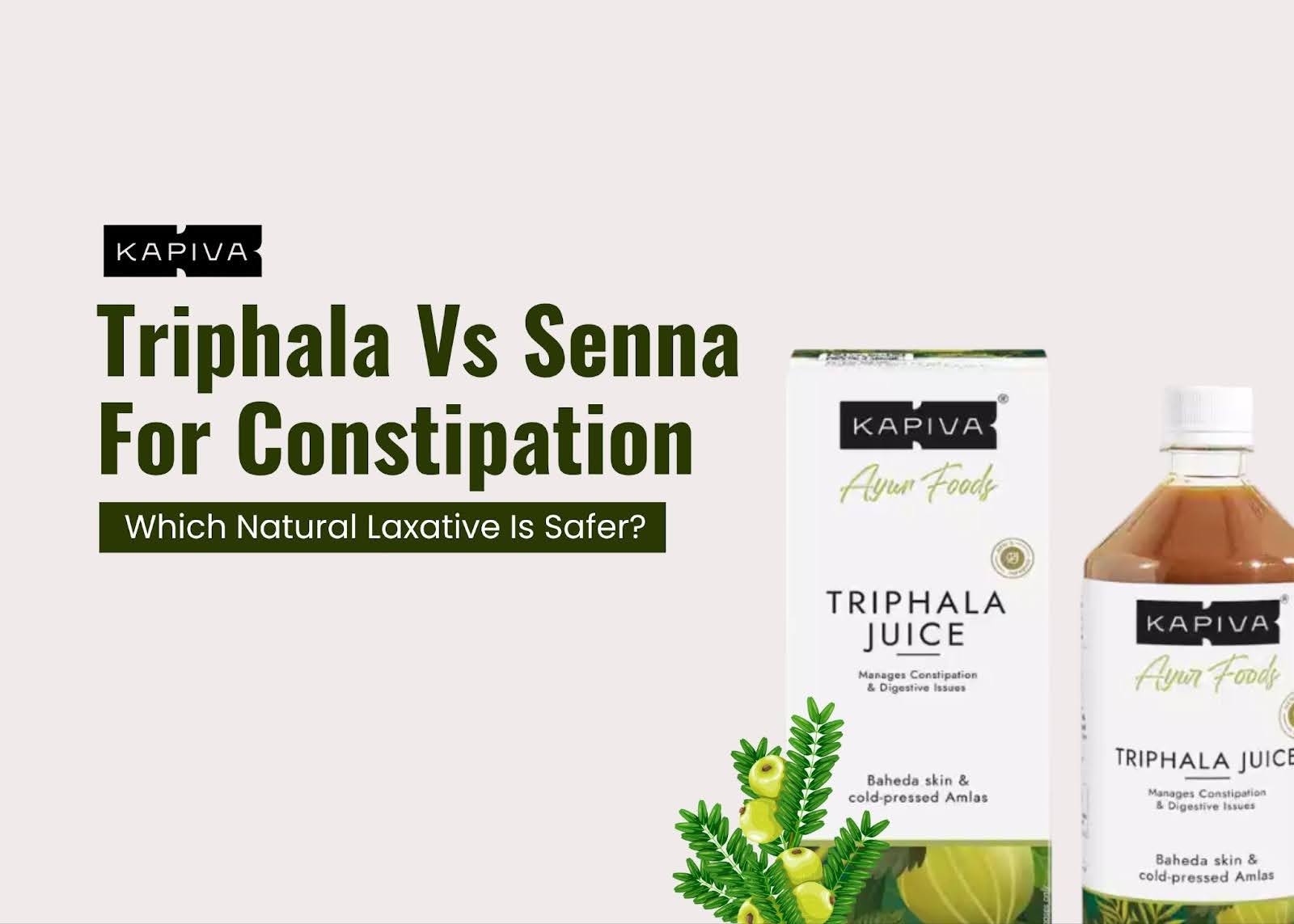
Triphala Vs Senna For Constipation: Which Natural Laxative Is Safer?

Constipation strikes and you want relief. Fast. You’ve seen both triphala and senna on pharmacy shelves, both promising to get things moving. But here’s what most people don’t realize: these two natural laxatives work in completely different ways, and choosing the wrong one could leave you worse off than before. Senna delivers quick, forceful results. Triphala takes a gentler, holistic approach. Understanding the difference isn’t just about speed; it’s about what happens to your gut health over weeks and months of use. Kapiva Triphala Juice offers a traditional Ayurvedic approach to digestive wellness that has supported gut health for over 1,000 years. How Senna Works: The Stimulant Approach Senna (Cassia angustifolia) contains anthraquinones that irritate your colon lining, triggering strong muscle contractions that push waste through your system. Think of it as forcing your gut into action whether it’s ready or not. Results come fast, typically within 6-12 hours. However, that speed comes with a cost. Research indicates that prolonged senna use can lead to melanosis coli (colon discoloration) and may contribute to ‘lazy bowel syndrome’ where your colon becomes dependent on stimulation to function. How Triphala Works: The Balancing Approach Triphala combines three fruits: amla, bibhitaki, and haritaki. Rather than forcing your colon into action, triphala supports your digestive system’s natural function. Kapiva Digesti Care+ Juice combines triphala components with traditional digestive herbs to support healthy digestion naturally. Haritaki strengthens intestinal muscles, improving natural peristalsis over time. Amla provides powerful antioxidant support and repairs the intestinal lining. Bibhitaki clears excess mucus from intestinal walls where harmful bacteria can thrive. Studies published in the Journal of Alternative and Complementary Medicine found that triphala supports beneficial gut bacteria while reducing harmful strains. This prebiotic effect improves your gut microbiome over time, the opposite of senna’s depleting action. Triphala Vs Senna: Head To Head Comparison Factor Triphala Senna Mechanism Supports natural peristalsis Irritates colon, forces contractions Speed Gradual (3-7 days) Fast (6-12 hours) Long-Term Safety Safe for extended use Not recommended beyond 1-2 weeks Dependency Risk Low to none High with regular use Gut Microbiome Supports beneficial bacteria May disrupt gut flora Side Effects Mild; occasional loose stools Cramping, diarrhea, electrolyte loss Best For Ongoing digestive wellness Occasional, short-term relief The Dependency Problem With Senna When you regularly use senna, your colon adapts to the stimulation. Natural nerve endings and muscles start relying on that external push. Over time, you need higher doses for the same effect, and going without senna can leave you more constipated than before. Triphala doesn’t create this dependency because it doesn’t force your colon to do anything. Instead, it strengthens muscles and supports natural processes. It’s the difference between pushing a car that won’t start versus fixing the engine. When To Choose Each Option Choose Senna: For occasional, acute constipation needing fast resolution, medical procedure preparation, or when gentler methods have failed (1-2 weeks maximum). Choose Triphala: For long-term digestive wellness, chronic constipation, overall gut health support, or when you want additional antioxidant and microbiome benefits without dependency risks. Kapiva Triphala Juice is processed in GMP-certified, USFDA-approved facilities with no harmful side effects, suitable for daily use as part of your digestive wellness routine. Beyond Constipation: Triphala’s Additional Benefits While senna only stimulates bowel movements, triphala delivers multiple benefits: antioxidant protection for your gut lining, improved nutrient absorption through healthier intestinal cells, balanced gut microbiome through prebiotic effects, and gentle detoxification that supports overall vitality. Ayurveda takes 6 months to make big changes from within, with benefits often visible from the first few weeks. Consult A Doctor | Shop Triphala Juice  Frequently Asked Questions Q: Can I Take Triphala And Senna Together? A: Combining both increases the risk of cramping and diarrhea. If transitioning from senna to triphala, gradually reduce senna over 4-6 weeks while starting triphala. Consult an Ayurvedic practitioner for personalized guidance. Q: How Long Does Triphala Take To Work? A: Most people notice improvements in bowel regularity within 3-7 days. For deeper microbiome benefits and strengthened gut muscles, allow 4-6 weeks of consistent use. Q: Is Senna Ever Safe To Use? A: Senna is safe for occasional, short-term use (1-2 weeks maximum). Problems arise with regular, long-term use. If you reach for senna frequently, it’s time to address underlying issues with a gentler approach. Q: What’s The Best Way To Take Triphala? A: Taking triphala before bed on an empty stomach works well, supporting natural morning bowel movements. Start with a smaller dose and increase gradually. Kapiva Triphala Juice offers convenient dosing and quick absorption. Q: Who Should Avoid Triphala? A: Avoid triphala if pregnant, breastfeeding, or experiencing diarrhea. Those on blood thinners or diabetes medications should consult their healthcare provider first. For most healthy adults, triphala is safe with no harmful side effects.

Categories
Supplementation

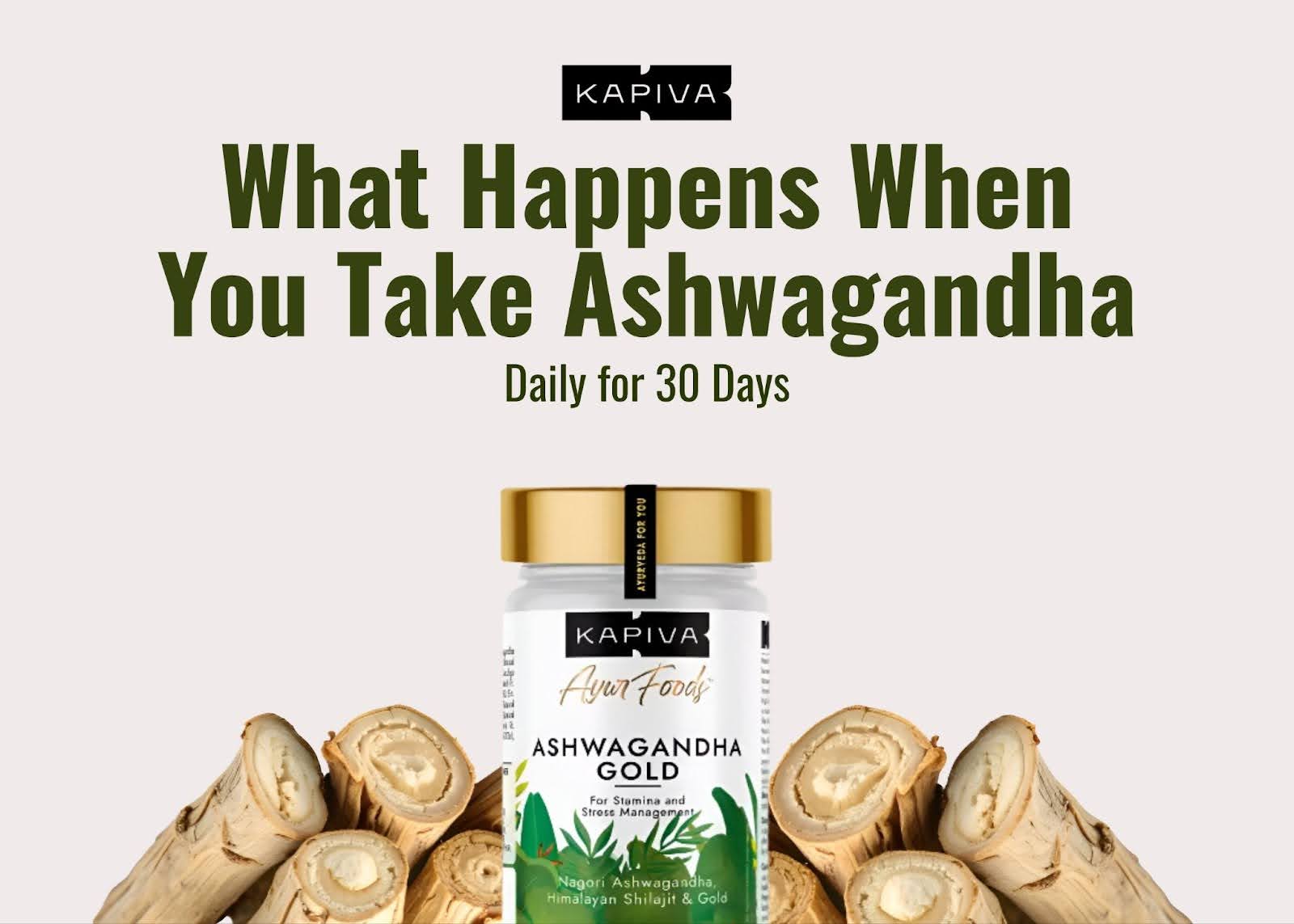
What Happens When You Take Ashwagandha Daily for 30 Days

Starting a new supplement can feel like stepping into the unknown, especially when you’re juggling work stress, disrupted sleep, and that persistent feeling of running on empty. Ashwagandha (Withania somnifera), one of Ayurveda’s most trusted adaptogens, has been revered for centuries as a rejuvenator. Modern clinical research now confirms what traditional practitioners have long understood: this herb supports your body’s natural ability to manage stress and restore balance. Consistency matters. While some benefits may appear within the first week, others build gradually as the herb works to support your body’s stress response and natural rhythms. Understanding this timeline helps you set realistic expectations and stay committed through the full month. Ayurveda shows benefits from the first week of consumption, with deeper transformations emerging over 6 months of consistent use. Week 1: Early Shifts in Sleep and Calm The first seven days often bring subtle but noticeable changes. Research published in the journal Nutrients demonstrates that a single dose of 400 mg Ashwagandha extract can support working memory and attention within 3 to 6 hours. If you take Ashwagandha at night, you may experience improvements in sleep quality within the first week. What you might notice during week one includes falling asleep more easily with fewer racing thoughts, a general sense of calm without daytime drowsiness, and early support for healthy cortisol levels. Cortisol is your primary stress hormone, and elevated levels keep your body in a constant state of alertness. Ashwagandha helps support healthy cortisol balance, signaling your nervous system that it’s safe to relax. Kapiva’s Ashwagandha Gold Capsules combine Nagori Ashwagandha with Himalayan Shilajit and Gold Bhasma, formulated by experts at Kapiva Academy of Ayurveda to support stamina and stress management. Weeks 2-3: Mood and Energy Begin to Stabilize Around the two-week mark, the effects typically deepen. The early changes become more consistent, and you may start noticing improvements in mood, especially if you experience mild everyday stress or low energy. Benefits that commonly emerge during this period include fewer mid-afternoon energy dips, improved mental clarity and decision-making, reduced feelings of overwhelm or irritability, and better emotional resilience in everyday situations. A systematic review and meta-analysis published in the Explore journal analyzing nine randomized controlled trials with 558 participants, found that Ashwagandha formulations showed significant effects on perceived stress, anxiety scales, and serum cortisol levels compared to placebo groups. Mood changes are highly individual. Some people feel noticeably lighter and more balanced after two weeks, while others need closer to four weeks to feel the shift. Severity of baseline stress, dosage, and overall lifestyle all play a role. The key is patience. Ayurveda traditionally operates on longer timelines because it addresses root causes rather than just surface-level concerns. Week 4 (30 days): Cognitive Function and Stress Relief Support Peak At the 30-day mark, the cumulative benefits become clearer. A clinical trial published in the Medicine journal involving participants who took 500 mg of Ashwagandha root extract daily for 60 days found significant improvements in stress and anxiety scores compared to a placebo group, along with notable reductions in cortisol levels. What research shows at 30 days includes meaningful reductions in stress levels with improved cortisol balance, better short-term memory, attention, and faster reaction times, enhanced sleep quality with reduced nighttime awakenings, and reduced food cravings, especially for sugar and comfort foods. A study with healthy adults using 300 mg twice daily showed a 27.9% reduction in serum cortisol levels after 60 days of consistent use, demonstrating that extending use beyond 30 days allows even deeper shifts in stress response. Beyond 30 Days: The Long Game While one month delivers measurable results, continuing for two to three months unlocks additional benefits. Studies examining cognitive function show that 90 days of Ashwagandha supplementation significantly improved recall memory, reduced perceived stress scores, and enhanced overall psychological well-being. Traditional Ayurvedic texts emphasize that true wellness takes time. Ayurveda takes 6 months to make big changes from within, but you’ll notice benefits from the first week of consumption. This timeline allows your body to naturally restore balance at a cellular level. How to Take Ashwagandha for the Best Results Dosage: Most studies use 300-600 mg of standardized extract daily, often split into two doses. Starting with 225-300 mg allows you to assess tolerance before gradually increasing if needed. Timing: Taking Ashwagandha with meals enhances absorption and reduces the chance of stomach discomfort. If sleep is your main concern, taking the larger dose 1-2 hours before bed may be beneficial. Form: Look for full-spectrum root and leaf extracts with standardized withanolide content. Kapiva’s KSM-66 Ashwagandha Capsules use clinically studied KSM-66 extract, manufactured in GMP-certified, USFDA-approved facilities to ensure purity and potency. Consistency: Daily use is essential. Skipping days disrupts the buildup in your system and may delay results. Set a routine that works for your lifestyle and stick with it. Who Benefits the Most from a 30-day Commitment? Ashwagandha is especially helpful if you experience chronic everyday stress, poor sleep quality, brain fog, or fatigue that doesn’t improve with rest alone. It works by supporting your body’s natural stress response, which indirectly supports energy by reducing the drain of constant cortisol spikes. The herb has also been traditionally used to support stamina and endurance. For those with active lifestyles, combining Ashwagandha with Shilajit, as found in Kapiva’s Shilajit Gold Resin, provides synergistic support for energy and recovery. Important Considerations Before You Start Ashwagandha is generally well-tolerated by most healthy adults. Manufactured in GMP-certified facilities and rigorously tested for heavy metals, toxins, and contaminants, quality Ashwagandha products meet global safety benchmarks with no harmful side effects when used as directed. However, awareness of potential interactions helps you use it wisely. Consult with a healthcare practitioner before starting if you have hyperthyroidism or borderline high thyroid function, take sedatives or medications for anxiety, are pregnant or breastfeeding, or have autoimmune conditions. Most people tolerate Ashwagandha well. Some may experience mild digestive discomfort if taking too high a dose too quickly. Starting with a lower dose and

Categories
Ashwagandha

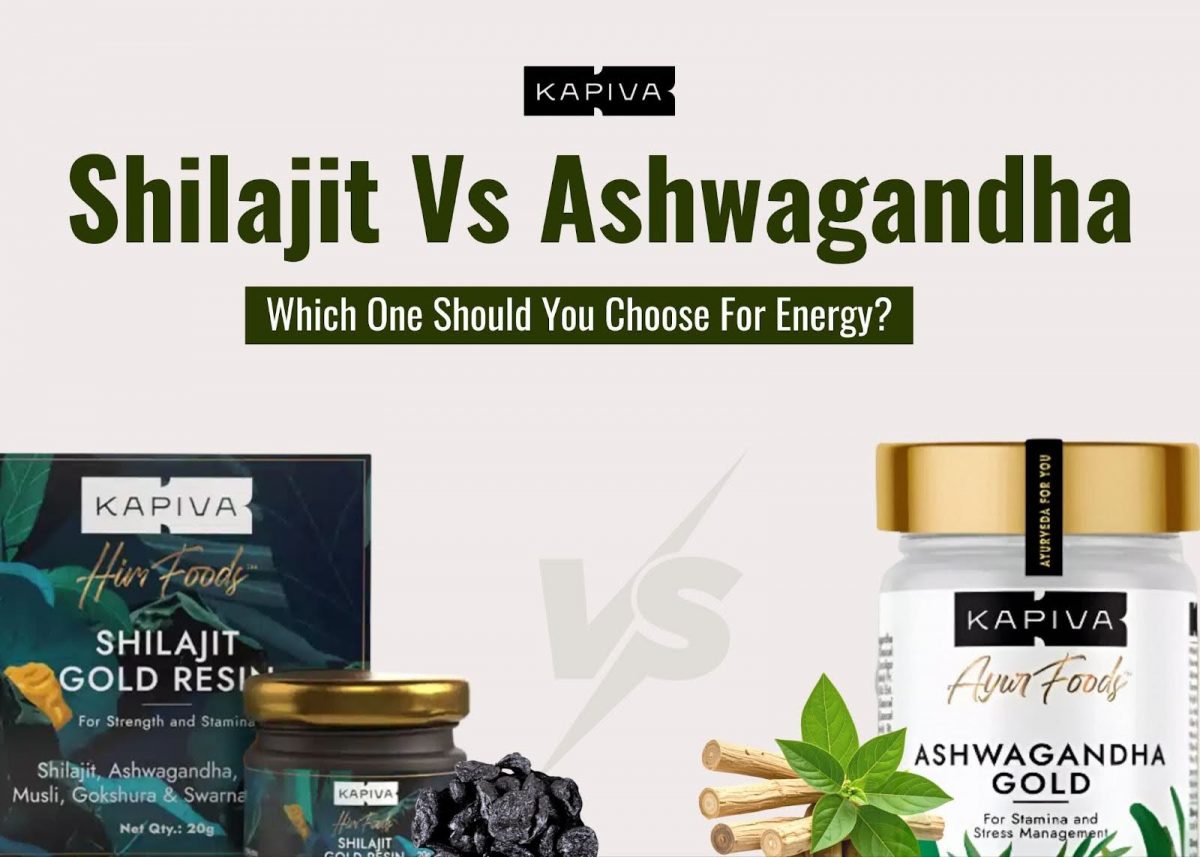
Shilajit Vs Ashwagandha: Which One Should You Choose For Energy?

That 3 PM slump hits hard. Your coffee’s gone cold, your to-do list keeps growing, and your energy tank is running on empty. Sound familiar? You’ve probably heard that shilajit and ashwagandha can help, but which one actually delivers when you need it most? Here’s the thing: both are Ayurvedic powerhouses with centuries of traditional use behind them. But they work through completely different pathways. Think of shilajit as your body’s fuel injector and ashwagandha as your stress shield. Understanding how each one works helps you pick the right tool for your energy needs. How Shilajit Powers Your Cells From The Inside Out Shilajit isn’t your typical supplement. This sticky, tar-like resin forms over centuries as plant matter decomposes in mountain crevices. Kapiva Himalayan Shilajit Resin is sourced from 18,000 feet in the Himalayas, where extreme conditions create a mineral-rich compound containing over 85 ionic minerals and fulvic acid. The Mitochondrial Advantage Your mitochondria are tiny power plants inside every cell, churning out ATP (adenosine triphosphate), your body’s energy currency. Shilajit supports mitochondrial function, helping these cellular engines run more efficiently. Research published in the Journal of the International Society of Sports Nutrition found that shilajit supplementation helped maintain muscular strength and reduce fatigue-related declines after strenuous exercise. The fulvic acid in shilajit acts like a delivery truck, transporting nutrients directly into cells while helping remove waste products. This means better nutrient absorption and more efficient energy production at the cellular level. Best For Physical Performance Shilajit shines when you need raw physical energy. Whether you’re hitting the gym, playing sports, or just trying to keep up with a demanding day, shilajit supports stamina and endurance. Shilajit Gold Resin combines pure Himalayan Shilajit with Ashwagandha, Black Musli, Gokshura, and Swarna Bhasma for comprehensive strength and stamina support. Shilajit works best for: Quick physical energy before workouts, enhanced endurance during activity, faster recovery after exercise, and support for active lifestyles requiring sustained stamina. How Ashwagandha Tackles The Real Energy Thief: Stress Ever notice how stress leaves you feeling completely drained, even when you haven’t done anything physically demanding? That’s cortisol at work. This stress hormone is helpful in emergencies, but becomes an energy vampire when chronically elevated. Ashwagandha (Withania somnifera) works as an adaptogen, helping your body respond to stress more effectively. Rather than forcing energy, it removes the barriers that prevent your natural energy from flowing. Kapiva Ashwagandha Gold Capsules combine Nagori Ashwagandha with Himalayan Shilajit and Gold for comprehensive stamina and stress management support. The Cortisol Connection When cortisol stays elevated, it disrupts sleep, promotes fat storage (especially around the belly), and leaves you feeling exhausted. A systematic review of clinical trials found that ashwagandha supplementation was associated with cortisol reductions of 11-32% over 30-112 days. Another study showed that 600mg daily reduced cortisol by 30% in stressed adults after just 8 weeks. Lower cortisol means better sleep, clearer thinking, and energy that actually lasts throughout the day instead of crashing by mid-afternoon. Sleep Better, Wake Energized Here’s what most people miss: energy isn’t just about what you take during the day. Quality sleep is when your body rebuilds and restores. Ashwagandha supports better sleep quality, which means you wake up genuinely refreshed rather than hitting snooze five times. For targeted stress relief, Ashwagandha Stress Care Capsules combine Ashwagandha with Gotu Kola, Tulsi, and other calming herbs for comprehensive nervous system support. Ashwagandha works best for: Relief from stress-related exhaustion, improved sleep quality for natural energy restoration, mental clarity and focus, long-term resilience during demanding periods, and balance when life gets overwhelming. Shilajit Vs Ashwagandha: Head To Head Comparison Here’s how these two Ayurvedic powerhouses stack up against each other: Factor Shilajit Ashwagandha Primary Action Enhances mitochondrial energy production Reduces stress hormones, supports adrenal function Energy Type Physical, more immediate Mental and physical, gradual buildup Best Timing Morning, pre-workout Evening or twice daily Results Timeline 2-4 weeks for noticeable effects 4-8 weeks for full benefits Ideal For Athletes, gym-goers, active lifestyles Stress management, burnout recovery Key Compounds Fulvic acid, 85+ ionic minerals Withanolides, alkaloids Traditional Use Strength, vitality, rejuvenation Stress relief, longevity, balance Can You Take Both Together? Absolutely Here’s the best part: shilajit and ashwagandha complement each other beautifully because they work through completely different mechanisms. Shilajit fuels your cells while ashwagandha removes the stress that drains them. It’s like having both a powerful engine and a smooth road. A smart combination strategy: Take shilajit in the morning to kickstart physical energy and support daytime endurance. Add ashwagandha in the evening to promote relaxation, quality sleep, and overnight recovery. This way, you’re supporting both the supply side (cellular energy) and the demand side (stress management) of your energy equation. Shilajit Gold Capsules actually combine both ingredients, formulated by experts at Kapiva Academy of Ayurveda for comprehensive energy and vitality support. Manufactured in GMP-certified, USFDA-approved facilities with no harmful side effects. Which One Should You Choose? A Quick Decision Guide Here is a quick decision guide that can help you make powerful decisions.  Choose Shilajit If You: Need support for physical energy and stamina during workouts or active days. Want to enhance your exercise performance and reduce post-workout fatigue. Feel physically tired or weak even after adequate rest. Have an active lifestyle requiring sustained endurance. Want to support faster muscle recovery after training. Try Kapiva Himalayan Shilajit Resin for pure, potent shilajit sourced from 18,000 feet, or Shilajit Energy Capsules for convenient daily supplementation. Choose Ashwagandha If You: Feel tired primarily due to stress or mental exhaustion rather than physical exertion. Have trouble falling asleep or staying asleep through the night. Experience burnout, overwhelm, or chronic low-grade anxiety. Need help managing daily stress without feeling sedated. Want gradual, sustained energy improvements that build over time. Try Kapiva Ashwagandha Gold Capsules for stamina and stress management, or KSM-66 Ashwagandha Capsules featuring the most clinically studied ashwagandha extract. Choose Both If You: Want comprehensive energy support that addresses multiple pathways. Deal with both physical fatigue from activity and mental fatigue

Categories
Ashwagandha Ayurvedic Lifestyle

What Herbs Should You Take For Better Stress Care?

What if feeling calm and centered was your natural state, not something you had to chase? For over 3,000 years, Ayurvedic practitioners have turned to specific herbs to help people find exactly that. Now modern science is revealing why these ancient botanicals work so well for stress and anxiety. The research is compelling. A systematic review of 12 randomized controlled trials involving 1,002 participants found that ashwagandha supplementation significantly reduced both anxiety and stress levels compared to placebo. But ashwagandha isn’t the only option. Understanding which herbs support your calm, and how each works differently, helps you choose the right approach for your needs. The Top Ayurvedic Herbs For Stress And Anxiety Ayurveda offers a treasure chest of stress-supportive herbs, each with unique mechanisms and benefits. Here’s what works best. Ashwagandha: The Stress Resilience Builder Ashwagandha (Withania somnifera) stands as Ayurveda’s most researched adaptogen for stress and anxiety. The Science of Ayurveda classifies it as a Rasayana, a rejuvenating herb that builds resilience from within. Clinical research found that 300mg of ashwagandha root extract twice daily produced a remarkable 27.9% reduction in serum cortisol levels, the primary stress hormone that fuels anxious feelings. Participants also reported significant improvements on standardized anxiety assessments. Kapiva’s Ashwagandha Gold Capsules feature 183rd-day harvested Nagori Ashwagandha combined with Himalayan Shilajit and Gold Bhasma for enhanced stress support. Brahmi: The Mind Calmer Brahmi (Bacopa monnieri) has been used for centuries to support mental clarity and reduce anxiety. Unlike ashwagandha’s full-body adaptogenic effects, Brahmi works primarily on cognitive function and nervous system calm. Research shows Brahmi significantly reduces anxiety scores while improving attention and cognitive processing. The herb contains bacosides, compounds that support healthy neurotransmitter function. Our guide on Ayurvedic herbs for mental wellness explores how Brahmi complements ashwagandha for comprehensive stress support. Tulsi: The Daily Stress Shield Tulsi (Holy Basil) offers gentle, everyday stress protection. Studies show Tulsi supplementation reduces stress-related symptoms, including forgetfulness, sleep problems, and exhaustion. Tulsi works as a mild adaptogen while also providing antioxidant and anti-inflammatory benefits. Many people drink Tulsi tea daily for baseline stress resilience. Jatamansi: The Nervous System Soother Jatamansi (Nardostachys jatamansi) is Ayurveda’s go-to herb for calming an overactive nervous system. It influences GABA receptors, promoting relaxation and supporting healthy sleep patterns. This herb works particularly well for stress that manifests as racing thoughts or difficulty unwinding at night. How These Herbs Create Calm From Within Each stress-supportive herb works through specific mechanisms. Understanding these helps you choose wisely. Cortisol Regulation: When stress becomes chronic, cortisol levels stay elevated, keeping you in constant alertness. Ashwagandha helps lower morning cortisol, allowing your nervous system to return to a balanced, relaxed state. Adaptogenic Support: Adaptogens like ashwagandha and Tulsi help your body respond to challenges more gracefully. Rather than eliminating life’s demands, they support your natural resilience and capacity to navigate daily pressures with ease. GABAergic Activity: Ashwagandha and Jatamansi influence GABA receptors in the brain, which play an essential role in calming nervous system activity and promoting relaxation. Neurotransmitter Balance: Brahmi supports healthy levels of serotonin and dopamine, neurotransmitters essential for mood stability and emotional resilience. Finding Your Ideal Herb And Dosage Based on clinical research, here’s what supports the best outcomes for each herb. Ashwagandha: 300-600mg daily of standardized root extract. Studies have safely used up to 1,000mg per day. Look for products standardized to 2.5-5% withanolides. Brahmi: 300-450mg daily of standardized extract containing 20-50% bacosides. Tulsi: 300-600mg daily as capsules, or 2-3 cups of Tulsi tea throughout the day. Jatamansi: 250-500mg daily, often taken in the evening for sleep support. Kapiva’s Ashwagandha Gold Capsules deliver clinically relevant ashwagandha dosing combined with synergistic ingredients. Formulated by experts at Kapiva Academy of Ayurveda and manufactured in GMP-certified, USFDA-approved facilities, they undergo rigorous testing with no harmful side effects. When To Expect Results Clinical trials typically show noticeable improvements within 4-8 weeks of consistent use. Ayurveda shows benefits from the first week of consumption, with deeper transformations emerging over 6 months of regular use. Weeks 1-2: Subtle shifts in stress response and sleep quality begin. Weeks 4-6: Most people notice meaningful reductions in anxiety and improved resilience. Weeks 8-12: Full adaptogenic benefits develop. Baseline stress levels decrease noticeably. 6+ Months: The Science of Ayurveda teaches that Ayurveda takes 6 months to make big changes from within. Consistency matters more than anything. These herbs work cumulatively over time. Combining Herbs For Enhanced Stress Support Traditional Ayurveda often combines herbs for synergistic effects. Consider these combinations. Ashwagandha + Brahmi: Full-body stress resilience plus enhanced mental clarity and calm. Ashwagandha + Tulsi: Adaptogenic support with added antioxidant and immune benefits. Ashwagandha + Jatamansi: Daytime stress resilience with improved evening relaxation and sleep. Ready To Find Your Calm? Kapiva’s Ashwagandha Gold Capsules combine 183rd-day harvested Nagori Ashwagandha with Himalayan Shilajit and Gold Bhasma for comprehensive stress support. Explore the complete range of Ashwagandha products formulated with pure, authentic ingredients by Kapiva Academy of Ayurveda experts. Consult A Doctor | Explore Stress Care Range Frequently Asked Questions Q: Which Herb Is Best For Anxiety? Clinical research shows ashwagandha has the strongest evidence for anxiety reduction, with multiple trials demonstrating significant improvements. For anxiety with racing thoughts, combining ashwagandha with Brahmi often provides enhanced benefits. Q: How Long Do Stress Herbs Take To Work? Most clinical studies show noticeable improvements within 4-8 weeks of consistent daily use. Some people report feeling calmer within a few weeks. Kapiva’s Ashwagandha Gold Capsules are formulated for optimal absorption and results. Q: Can I Take Multiple Stress Herbs Together? Yes, traditional Ayurveda often combines herbs for synergistic effects. Ashwagandha pairs well with Brahmi, Tulsi, or Jatamansi. Start with one herb, then add others gradually to assess your response. Q: When Is The Best Time To Take Stress Herbs? For ashwagandha, many prefer evening doses due to calming effects. Some split the dose between morning and evening. Jatamansi works best in the evening. Tulsi and Brahmi can be taken anytime. Q: Are These Herbs Safe For Long-Term Use? Clinical trials

Categories
Men's Health

Complete Guide To Shilajit Dosage For Beginners

How much shilajit should you actually take? When is the best time? And how long before you see results? If you’re new to this Himalayan treasure, getting the dosage right makes the difference between disappointing results and real transformation. Here’s what the science says: clinical research shows shilajit dosing in trials has ranged from 200 to 2000mg daily, with 500mg being the most commonly used. But if you’re just starting, beginning lower allows your body to adjust naturally. This guide breaks down everything you need to know to start safely and effectively. Which Form Of Shilajit Is Right For You? Not all shilajit is created equal. The form you choose affects both dosage and how well your body absorbs it. Here’s what you need to know before choosing. Resin: The Traditional Gold Standard Pure shilajit resin is the most authentic and potent form. Kapiva’s Himalayan Shilajit Resin is sourced from 18,000 feet in the Himalayas and contains over 60% fulvic acid with 80+ trace minerals. A standard dose equals approximately 250mg, about the size of a small pea. Dissolve in warm water or milk for optimal absorption. As we explain in our guide to 7 life-changing Shilajit benefits, resin delivers the highest concentration of active compounds. Capsules: Convenience Without Compromise Shilajit Gold Capsules typically contain 250-500mg per serving and offer convenience for busy lifestyles. Follow label instructions, usually one capsule daily with warm water or milk. Our blog on common Shilajit myths explains why quality capsules undergo the same rigorous testing as resin. Your Week-By-Week Dosage Roadmap Starting with the right dose is essential. Rush it, and you risk discomfort. Go too slow, and you won’t see results. Here’s the proven approach. Week 1: Start Low Begin with 100-200mg once daily, preferably in the morning on an empty stomach. This allows your body to adjust without overwhelming it. Week 2: Assess And Adjust If you experience no discomfort, increase to the same amount twice daily (morning and afternoon). A 90-day clinical study using 250mg twice daily showed significant improvements in testosterone and energy markers. Week 3 Onwards: Find Your Sweet Spot Gradually increase to 300-500mg per day. Research published in the Journal of International Society of Sports Nutrition found that 500mg daily promoted better muscle strength retention compared to 250mg. Most people find their optimal dosage within this range. The Upper Limit WebMD reports that processed shilajit is safe at doses up to 500mg daily for 48 weeks. The maximum daily intake is 1000mg, though most users experience full benefits at 500mg or less. When Should You Take Shilajit For Best Results? Timing affects how well your body absorbs and utilizes shilajit’s minerals and fulvic acid. Choose based on your goals. For All-Day Energy: Morning on an empty stomach provides an energy boost that enhances alertness throughout the day. This is the most popular choice. For Midday Fatigue: Taking shilajit 30 minutes before lunch helps combat afternoon slumps and maintain consistent energy levels. For Muscle Recovery: Evening consumption supports recovery due to shilajit’s adaptogenic properties. Shilajit Gold Resin with Ashwagandha is particularly effective for fitness enthusiasts, as our blog on Shilajit Gold as a gym booster explains. Pro Tip: Dissolve resin in warm (not hot) water or milk for quick absorption. Avoid late evening if you’re sensitive to energy-boosting supplements. How Long Before You Actually See Results? This is the question everyone asks. Here’s what clinical research and Ayurvedic wisdom tell us. Week 1-2: Some users report subtle improvements in energy and mental clarity. Your body is adjusting. Week 4-6: Most people notice measurable improvements in energy, stamina, and overall vitality. This is when consistent users typically feel the difference. Week 8-12: Clinical studies show optimal results for muscle strength and testosterone support emerge during this period. A 48-week bone density study showed progressive benefits throughout. 6 Months And Beyond: Ayurveda takes 6 months to make big changes from within. Deeper transformations in overall wellness occur with sustained use. Who Should (And Shouldn’t) Take Shilajit? Shilajit supports various wellness goals, but it’s not for everyone. Here’s the honest breakdown. Ideal For: Men seeking to support healthy testosterone, energy, and stamina benefit from Shilajit Gold Resin with its blend of Ashwagandha, Gokshura, and Black Musli. Women looking to promote vitality find benefits, as our blog on Shilajit benefits for women explains. Fitness enthusiasts use it for recovery and endurance. Anyone managing fatigue or seeking natural mineral supplementation. Avoid if: Pregnant or breastfeeding. Have kidney disorders, uncontrolled high blood pressure, or are scheduled for surgery within 2 weeks. Always consult your healthcare provider if you have existing medical conditions. Ready To Start Your Shilajit Journey? Kapiva’s Himalayan Shilajit, sourced from 18,000 feet and manufactured in GMP-certified, USFDA-approved facilities, delivers pure Ayurvedic nutrition you can trust. Consult A Doctor | Explore Shilajit Range Frequently Asked Questions Q: How Much Shilajit Should I Take As A Beginner? Start with 100-200mg once daily. After a few days, increase to twice daily if well-tolerated. Gradually work up to 300-500mg per day over 2-3 weeks. Kapiva’s Himalayan Shilajit Resin makes measuring easy. Q: What Is The Best Time To Take Shilajit? Morning on an empty stomach is ideal for energy support. Taking it 30 minutes before lunch helps combat midday fatigue. Avoid late evening if sensitive to energy supplements. Q: How Long Does It Take To See Results From Shilajit? Some users notice benefits within the first week, but most see improvements after 4-6 weeks. Clinical studies show optimal results with 8-12 weeks of daily use at 250-500mg. Q: Can I Take Shilajit Every Day? Yes. Daily use for up to 48 weeks is safe in clinical studies. Consistency is key to experiencing full benefits. Q: Should I Take Shilajit With Water Or Milk? Both work well. Warm water allows quick absorption, while warm milk enhances nourishing properties and masks the earthy taste. Choose based on preference.

Categories
Ayurvedic Lifestyle Ayurvedic Remedies

Best Ayurvedic Juices for Fast Liver Enzyme Regulation

Your liver silently works day and night, filtering toxins, processing nutrients, and maintaining overall balance. When liver enzymes spike, it’s a signal that your body’s main detox organ is under stress. While modern lifestyles filled with processed food, alcohol, and medication often strain the liver, Ayurveda offers time-tested natural solutions for restoring its balance.Among the most effective remedies are Ayurvedic juices crafted with herbs and fruits known for their detoxifying and enzyme-regulating properties. These juices not only cleanse the liver but also improve digestion, metabolism, and immunity. Let’s explore how Ayurvedic juices can help your liver heal naturally. Understanding Liver Enzyme Imbalance and Warning Signs Liver enzymes like ALT (Alanine transaminase) and AST (Aspartate transaminase) are markers of liver function. Elevated levels indicate inflammation or damage in liver cells. Common causes include: High-fat and processed food consumption Alcohol intake or frequent medication use Sedentary lifestyle Stress and poor sleep Early warning signs may show up as: Fatigue and sluggish digestion Loss of appetite Mild abdominal discomfort Skin dullness or acne Yellowing of eyes (in severe cases) Ayurveda views these imbalances as a sign of Pitta dosha aggravation, meaning excess heat and toxins are burdening the liver. Natural cooling and detoxifying remedies, like herbal juices, help bring this back to equilibrium. How Ayurvedic Juices Support Liver Enzyme Regulation From an Ayurvedic perspective, your liver is the body’s metabolic fire (Agni). It transforms nutrients into usable energy while neutralizing harmful substances. Ayurvedic juices help regulate liver enzymes by: Cooling and balancing Pitta: Herbs like amla and aloe vera reduce inflammation and heat. Promoting detoxification: Natural compounds flush out accumulated toxins. Restoring enzyme function: Antioxidants in herbal juices protect liver cells from oxidative stress. Liquids are particularly effective because they’re quickly absorbed into the bloodstream, allowing faster delivery of nutrients to the liver. Top Ayurvedic Juices for Liver Enzyme Balance 1. Amla Juice (Indian Gooseberry) Rich in vitamin C and antioxidants, Amla helps protect liver cells from oxidative damage and promotes regeneration. Supports enzyme regulation by improving fat metabolism Enhances bile secretion for better digestion Reduces inflammation caused by toxins or alcohol Try Kapiva Wild Amla Juice: made from fresh Himalayan amlas, cold-pressed to retain maximum nutrients. Daily use helps naturally restore your liver’s vitality. 2. Giloy Juice Giloy (Tinospora cordifolia) acts as a powerful hepatoprotective herb. It helps reduce inflammation and repair liver tissues. Boosts immunity while cleansing toxins Reduces ALT/AST levels in mild fatty liver conditions Balances Pitta and strengthens digestion Giloy juice also synergizes well with amla for comprehensive liver health. 3. Wheatgrass Juice Wheatgrass is one of the most nutrient-dense greens in Ayurveda, known for its chlorophyll content which supports liver detoxification. Flushes heavy metals and pollutants from the body Aids oxygenation of blood, improving enzyme function Supports regeneration of damaged liver cells Kapiva Wheatgrass Juice is made from freshly juiced wheatgrass within 8 days of germination, ensuring potent detox action. Regular use can help cleanse the liver and support balanced enzyme activity. 4. Aloe Vera Juice Aloe Vera is cooling, hydrating, and restorative, ideal for Pitta-driven liver stress. Reduces internal heat and supports enzyme recovery Enhances digestion, helping reduce fat accumulation Prevents free radical damage to liver tissues Try Kapiva Aloe Vera Juice made from Rajasthan’s organically grown aloe vera. It helps soothe the digestive tract while gently purifying the liver. 5. Punarnava Juice Punarnava (Boerhavia diffusa) is one of Ayurveda’s best rejuvenating herbs. Acts as a natural diuretic to flush out toxins Helps reduce liver inflammation Supports regeneration of hepatocytes (liver cells) 6. Bhumi Amla Juice Bhumi Amla (Phyllanthus niruri) is clinically studied for its hepatoprotective properties. Reduces oxidative stress Helps control elevated liver enzymes Effective for fatty liver and mild jaundice Dosage Recommendations: Amla Juice: 30ml daily on an empty stomach Aloe Vera Juice: 20–25ml before breakfast Wheatgrass Juice: 30ml mid-morning Giloy or Bhumi Amla Juice: 20ml diluted in water daily Always start small and adjust based on your body’s response. When to Drink Ayurvedic Juices for Maximum Liver Benefits Timing is crucial in Ayurveda. Morning on an empty stomach: Enhances detox and absorption. Midday: Helps digestion and fat metabolism. Avoid late-night consumption: The liver slows its detox process during rest. Duration: Continue for 4–8 weeks for visible improvement in enzyme levels. Seasonal tip: Best results are observed during spring (Vasant Ritu) when detoxification is naturally supported. Combining Ayurvedic Juices with Lifestyle Changes To maximize benefits, pair Ayurvedic juices with mindful habits: Eat light and fresh: Include greens, whole grains, and turmeric in your diet. Avoid processed foods and alcohol: These burden the liver. Move daily: Gentle yoga poses like Ardha Matsyendrasana aid liver detox. Stay hydrated: Warm water with lemon helps bile flow. Sleep well: Your liver regenerates most between 10 p.m. and 2 a.m. Integrating juices like Kapiva Wheatgrass, Aloe Vera, and Amla daily supports your liver naturally while aligning with your body’s circadian rhythm. Conclusion Elevated liver enzymes are your body’s way of asking for attention, and Ayurveda provides a holistic path to recovery. Herbal juices like Amla, Aloe Vera, and Wheatgrass don’t just cleanse; they nourish, repair, and restore balance from within.You can start with Kapiva’s range of Ayurvedic juices formulated for daily wellness and liver health. Consult your healthcare provider before starting any supplement regimen, especially if you have chronic liver conditions. FAQs Q: How long does it take for Ayurvedic juices to regulate liver enzymes? A: Most people notice improvements in 4–6 weeks with daily use. Consistency is key, and results vary based on overall diet and enzyme levels. Q: Can I drink multiple Ayurvedic juices together for liver enzyme regulation? A: Start with one juice and gradually combine others like Amla and Giloy under Ayurvedic guidance. Q: Are there any side effects of drinking Ayurvedic juices for liver health? A: They’re generally safe, though mild digestive changes can occur initially. Always use pure, cold-pressed juices. Q: Which Ayurvedic juice works fastest for elevated liver enzymes? A: Amla juice often delivers the quickest improvement due to its high vitamin

Categories
Ayurvedic Lifestyle Ayurvedic Remedies Daily Diet Weight Loss

Stress Eating vs. Hunger: Ashwagandha for Cortisol-Craving Cycle

We’ve all been there, reaching for chips, chocolate, or that extra serving of dessert after a stressful day. It feels comforting at the moment, but soon after, guilt kicks in. If this pattern sounds familiar, you might be caught in what’s called the cortisol-craving cycle, when stress hormones trick your brain into eating even when your body doesn’t truly need food. Let’s decode the difference between stress-driven hunger and genuine hunger, and explore how Ashwagandha, a clinically studied Ayurvedic herb, can help regulate cortisol levels and naturally curb those cravings. Understanding Stress Eating vs Real Hunger Before you can stop stress eating, it’s important to know what’s really happening in your body. Real hunger is your body’s way of signaling it needs fuel. It builds gradually, and almost any food can satisfy it. Physical cues include: A growling stomach Low energy or slight dizziness Relief after eating almost any balanced meal Stress eating, on the other hand, is emotional. It comes on suddenly, usually triggered by anxiety, exhaustion, or frustration, and you’ll crave very specific comfort foods like sweets, chips, or pasta. The hunger feels urgent, but it’s your mind seeking relief, not your stomach. Learning to pause and ask, “Am I truly hungry or just stressed?” is the first step toward breaking the cycle. How Cortisol Triggers Food Cravings During Stress When you’re stressed, your body releases cortisol, the hormone responsible for your “fight or flight” response. While short-term stress is normal, chronic stress keeps cortisol levels elevated, confusing your hunger and metabolism. Here’s what happens: Cortisol increases appetite, pushing your body to consume more calories for “energy.” It raises insulin, causing blood sugar dips that make you crave carbs or sugary foods. Over time, it trains your brain to associate eating with relief, creating a reward loop. Modern life keeps us in constant “alert” mode, emails, deadlines, screens, and sleep deprivation all keep cortisol high. Unlike our ancestors who burned off stress through physical activity, today’s stress builds up, often leading straight to the fridge. Why Your Body Craves Specific Foods When Stressed Ever wonder why it’s always sugar, salt, or carbs when stress hits? That’s not random — it’s biochemical. Sugar gives a quick dopamine hit, improving your mood temporarily. Refined carbs boost serotonin, the “feel-good” hormone, helping calm anxiety for a short while. Fats and salt trigger the brain’s reward center, creating comfort. The problem? This relief is short-lived. After the initial rush, your blood sugar crashes, cortisol spikes again, and the cycle repeats, leaving you tired, moody, and craving more. Natural Ways to Break the Stress Eating Cycle Breaking stress eating isn’t about willpower, it’s about balancing your stress response. Here are natural ways to start: Practice mindful eating: Take slow bites and identify real hunger cues. Check your emotional triggers: Keep a stress journal to recognize when emotions drive your eating. Stay hydrated: Dehydration often mimics hunger, increasing cravings. Add movement: Light exercise like yoga or walking reduces cortisol naturally. Don’t skip meals: Skipping meals causes blood sugar dips, making stress eating more likely later. Opinion: Willpower alone isn’t enough. You must address the root cause, cortisol imbalance. That’s where adaptogenic herbs like Ashwagandha can make a real difference. How Ashwagandha Helps Control Cortisol and Cravings Ashwagandha, a renowned Ayurvedic adaptogen, has been extensively studied for its stress-regulating and cortisol-lowering effects. It helps restore hormonal balance, making it easier to differentiate between true hunger and emotional cravings. Here’s how it works: Reduces cortisol levels: Studies show daily Ashwagandha intake can lower cortisol by up to 27%, helping regulate stress-related appetite. Balances energy: It prevents the exhaustion-craving cycle by stabilizing blood sugar and improving resilience to stress. Improves mood and sleep: Better sleep reduces emotional eating triggers and enhances self-control. A clinical trial published in The Journal of Clinical Psychopharmacology found that individuals taking Ashwagandha reported less stress, lower cortisol, and reduced cravings within four weeks. If stress eating feels like a daily struggle, consider Kapiva Ashwagandha Stress Care Capsules. They contain 100% root-derived Ashwagandha standardized to 5% withanolides, along with Tulsi, Brahmi, and Mandukparni, which help: Manage cortisol and stress-related anxiety Improve sleep quality naturally Support mood and cognitive balance Taking it 2 times daily after breakfast and after dinner can help reset your body’s response to stress, reducing the emotional drive behind food cravings. Simple Strategies to Manage Stress Without Food When cravings strike, try these quick resets instead: Deep breathing: 5 minutes of slow, mindful breathing can reduce cortisol almost instantly. Take a short walk: Physical activity lowers stress hormones and improves mood. Sip herbal tea: Tulsi or chamomile tea helps relax the mind. Use grounding techniques: Engage your senses, focus on sounds, smells, or textures to shift your focus from food. Prioritize rest: Even one night of poor sleep can raise cortisol levels by 30%. Over time, combining Ashwagandha supplementation with these simple habits helps retrain your stress response, reducing emotional hunger triggers altogether. When to Seek Additional Support for Stress Eating If your stress eating is affecting your health, sleep, or emotional well-being, it might be time to seek support. Consider professional help if you: Find yourself eating unconsciously or hiding eating habits Experience guilt or anxiety after eating Struggle to manage stress despite lifestyle changes Therapists trained in cognitive behavioral therapy (CBT) can help you identify triggers and reshape thought patterns. Ayurvedic practitioners may also suggest herbal and diet-based approaches that complement your emotional healing. FAQs Q: How can I tell if I’m stress eating or actually hungry? A: Real hunger builds gradually and can be satisfied with various foods. Stress eating comes on suddenly, craves specific comfort foods, and often happens after emotional triggers. Q: How long does it take for Ashwagandha to reduce cortisol levels? A: Most studies show cortisol reduction within 2–4 weeks of consistent Ashwagandha use, though some users report feeling calmer within a week. Q: Can stress eating cause weight gain even with exercise? A: Yes, because stress eating often involves high-calorie comfort

Categories
Gym Foods

Why Daily Shilajit Gold Consumption Matters—Even on Rest Days

Building good health isn’t a one-day job—it requires consistency, precision, and daily effort. Similarly, Shilajit Gold delivers results only when consumed regularly. This mineral-rich substance, widely used in Ayurveda for its rejuvenating and adaptogenic properties, helps improve stamina, immune function, and hormonal balance. By supporting these key areas, Shilajit Gold Resin enhances gym performance, promoting faster muscle growth and greater strength gains. Initial Gains: What to Expect in the First 3 Months 1st Month: In the initial days of consuming Shilajit Gold, you will feel a slight rise in stamina, metabolism, and a reduction in fatigue. As your metabolism increases, you may also experience mild acne or indigestion, which is completely normal. A higher metabolism helps burn fat, and this process generates more heat, leading to these temporary effects. Learn more in this video by the expert: 2nd Month: Due to a gradual increase in stamina and reduced fatigue, you will be able to do more reps in the gym. The body’s cortisol levels will start to neutralize, helping you sleep better and manage stress more effectively. All of this will lead to an initial increase in strength. 3rd Month: As your strength improves, you will not only be able to do more reps with your usual weights, but you will also be able to add more weight to your lifts. This will lead to muscle growth. This can only be achieved if the person consistently takes the advised dosage of Shilajit Gold daily. Long-Term Gains of Consuming Shilajit Gold Daily 4th Month: By the 4th month of consuming Shilajit Gold daily, your testosterone levels will have increased, leading to a spike in strength for heavier lifts. 8th Month: Due to higher testosterone levels supporting heavier lifts, you will experience visible muscle gains. 12th Month: After 1 year of consistent consumption of Shilajit Gold, you will have gained all the benefits, including muscle growth, a spike in strength and stamina, better sleep and stress management, and reduced fatigue. Moreover, your bone and joint health will improve, minimizing the risk of injury during heavy and intense workouts. It will also support faster muscle recovery, helping to reduce muscle soreness. This can only be achieved if the person consistently takes the advised dosage of Shilajit Gold daily for a longer period of time. Consistency is Key: Why Daily Intake Matters Consistency is the key to unlocking the full benefits of Shilajit Gold. The benefits like increase in strength, stamina & more can only be experienced if you consume Shilajit Gold daily in the proper recommended dosage.  However, missing doses or irregular consumption can significantly delay results. What you could achieve in one month with consistent use may take two to three months if not taken regularly.  This inconsistency not only affects your daily performance but also slows down your strength gains, preventing you from reaching your full potential.  To experience the best results, make Shilajit Gold a part of your daily routine without fail. Why Shilajit Gold is Essential Even on Rest Days Rest days play a crucial role in enhancing your gym performance and achieving your dream physique. These are the days when the real results of your workouts take place. When you work out, your muscles experience microtears due to stress. They heal and rebuild, leading to muscle growth—this is a natural repair and strengthening process. This is where Shilajit Gold comes into the picture, accelerating the process in the right and more efficient way. That’s why consistent daily consumption of Shilajit Gold is essential, even on rest days. Skipping your dose can disrupt recovery, slow down muscle repair, and delay strength gains. To maximize the benefits of your training, ensure that Shilajit Gold remains a part of your routine—whether it’s a workout day or a rest day. Clearing the Air: Is Shilajit Gold Addictive? The answer is simply NO! Not only can you take a 15-day break, but you should also do so—but only after you have consumed 3 bottles of Shilajit Gold Resin daily. This ensures that your body can balance and adjust to the new testosterone levels increased by Shilajit Gold. Shilajit Gold serves as a nutritional support, providing essential minerals, fulvic acid, and antioxidants that enhance energy production, cognitive function, and overall vitality.  The best thing – It is not addictive, as it does not contain habit-forming compounds or stimulants.  Real Results: Consumer Testimonial & Experience See Aman’s 5-month transformation journey with gym and daily consumption of Shilajit Gold.  Watch it yourselves:  Easy Ways to Stay Consistent with Shilajit Gold Making Shilajit Gold a part of your routine doesn’t have to be complicated. Here are some simple ways to ensure you take it daily without fail: 1. Set Phone Reminders Sometimes, we just forget! Setting a daily reminder on your phone can ensure you never miss your Shilajit Gold dose. 2. Add It to Your Daily Drinks Make it a part of your routine by mixing Shilajit Gold with tea, coffee, or even your protein shake. (Yes, it’s safe to consume with whey protein!) 3. Keep It in Your Gym Bag If fitness is your goal, keeping Shilajit Gold with your other supplements or in your gym bag can serve as an easy reminder. 4. Switch to Gold Capsules if Resin Feels Time-Consuming If measuring and mixing resin feels like a hassle, Shilajit Gold Capsules are an easy alternative as they are quick and convenient. 5. Place It Somewhere Visible Keep your Shilajit Gold beside your bed or on the dining table so you see it daily and never forget to take it. A little consistency goes a long way! Follow these easy tricks to make the most of Shilajit Gold every day. Get Free Doctor Consultation & Nutritionist Consultation Every individual is unique, and so are their fitness goals. Whether you’re aiming for better gym performance, energy levels or for your general wellness, the right dosage of Shilajit Gold plays a crucial role in achieving optimal results. To help you get the best out