Categories
Wellness

Moringa vs Spirulina vs Wheatgrass: Which Is Best?

Supergreens have become essential study supplements in India and worldwide, with students and professionals seeking natural ways to boost energy, support immunity, and enhance mental clarity. Among the most popular options, Moringa, Spirulina, and Wheatgrass each offer unique nutritional profiles that make them stand out. But which one delivers the best results for your specific health goals? Whether you’re a student preparing for competitive exams or a working professional managing daily stress, understanding the differences between these superfoods helps you make informed choices. Many people also combine these greens with adaptogens like ashwagandha for concentration and sustained mental performance throughout demanding schedules. Moringa: The Nutrient Powerhouse Moringa oleifera, often called the “drumstick tree” or “miracle tree,” contains over 90 nutrients, including vitamins A, C, and E, calcium, potassium, and all nine essential amino acids. Research published in the Journal of Food Science and Technology highlights Moringa’s exceptional antioxidant capacity, which helps combat oxidative stress linked to fatigue and brain fog. Moringa’s iron content makes it particularly valuable for women and those with low energy levels. The leaves also contain quercetin and chlorogenic acid, compounds that support healthy blood sugar levels and sustained energy release. Kapiva Moringa products deliver these benefits in convenient formats, and for students dealing with brain fog, Moringa’s neuroprotective properties offer natural cognitive support when combined with ashwagandha for memory improvement. Spirulina: The Protein-Rich Blue-Green Algae Spirulina is a blue-green algae containing 60-70% complete protein by weight, making it one of the most protein-dense foods on earth. According to research, phycocyanin content provides powerful anti-inflammatory and antioxidant benefits that support overall vitality. Spirulina excels in providing B-vitamins, particularly B12 (though in a form with variable bioavailability), iron, and gamma-linolenic acid (GLA). Its high chlorophyll content supports natural detoxification. For those seeking exam anxiety natural remedies, Spirulina’s nutrient density helps maintain stable energy levels during intense study sessions without the crashes associated with caffeine. Wheatgrass: The Detoxification Champion Wheatgrass, harvested from young Triticum aestivum plants, contains 70% chlorophyll, earning it the reputation as nature’s most effective detoxifier. Kapiva Wheatgrass Juice is harvested on the 8th day when nutrient density peaks, ensuring maximum potency in every serving. Wheatgrass contains vitamins A, C, E, K, and B-complex along with minerals like iron, calcium, and magnesium. Its alkalizing properties help balance the body’s pH levels, which often become acidic due to stress, processed foods, and irregular eating habits common among students. Research suggests wheatgrass supports liver function and blood purification, making it ideal for those experiencing sluggishness from sedentary study routines. Nutritional Comparison At A Glance Factor Moringa Spirulina Wheatgrass Protein Content Moderate Highest (60-70%) Low Chlorophyll Moderate High Highest (70%) Best For Overall nutrition Protein, energy Detox, alkalizing Taste Mild, earthy Strong, seaweed Fresh, grassy Which Supergreen Is Best For You Choose Moringa if: You need comprehensive nutritional support, have an iron deficiency, or want antioxidant protection. Moringa works well as a daily multivitamin alternative. Choose Spirulina if: You prioritize protein intake, follow a plant-based diet, or need sustained energy for workouts and long study sessions. Choose Wheatgrass if: Detoxification is your primary goal, you experience digestive sluggishness, or you want to alkalize your system after periods of unhealthy eating. Enhancing Results: Combining Supergreens With Ashwagandha While supergreens provide essential nutrients, many students and professionals enhance their regimen by adding ashwagandha for focus and cognitive support. Ashwagandha’s adaptogenic properties help manage exam stress naturally while supporting memory retention during intensive learning periods. The KSM-66 Ashwagandha Capsules offer clinically studied cognitive benefits that complement any supergreen of your choice. Research demonstrates that ashwagandha supports healthy cortisol levels, which directly impact mental clarity and the ability to retain information under pressure. For students preparing for competitive exams, this combination of nutrient-dense greens and adaptogenic support creates a foundation for sustained mental performance without relying on stimulants. Ready to boost your wellness naturally? Shop Kapiva Wheatgrass Juice for detoxification, Moringa products for complete nutrition, or KSM-66 Ashwagandha for cognitive support. All Kapiva products are formulated by experts at Kapiva Academy of Ayurveda and manufactured in GMP-certified, USFDA-approved facilities. Frequently Asked Questions Q: Can I take all three supergreens together? A: Yes, Moringa, Spirulina, and Wheatgrass can be combined safely. However, starting with one allows you to assess individual benefits. Many people rotate between them or use different greens for specific purposes. Q: When is the best time to consume supergreens? A: Morning consumption on an empty stomach maximizes absorption. Kapiva Wheatgrass Juice is best consumed 20-30 minutes before breakfast for optimal detoxification benefits. Q: Are supergreens safe for students during exam preparation? A: Absolutely. Supergreens provide natural energy without caffeine jitters. Pairing them with ashwagandha for students offers comprehensive support for both physical vitality and mental performance during demanding academic periods. Q: How long before I notice benefits? A: Most people notice improved energy within 1-2 weeks. Ayurveda takes 6 months to make big changes from within, so consistent daily use yields the best long-term results for detoxification and overall wellness.


Categories
Women's Health

Shatavari For Irregular Periods: 5 Ways It Balances Hormones In Women

Irregular monthly cycles affect millions of women worldwide, often signaling deeper hormonal imbalances that impact everything from energy levels and mood to fertility and overall well-being. Shatavari (Asparagus racemosus) stands as the cornerstone herb for women’s reproductive health in Ayurveda, working through multiple pathways to restore hormonal harmony naturally. Known as the “Queen of Herbs” for women’s wellness, Shatavari has been used in PCOS treatment and Ayurvedic approaches for thousands of years across India and Southeast Asia. Modern scientific research now validates what traditional Ayurvedic practitioners have long observed: this powerful adaptogen supports hormonal balance through specific, measurable mechanisms that address the root causes of cycle irregularities rather than simply masking the symptoms. Understanding PCOS, Hormonal Imbalance And Irregular Cycles Polycystic Ovary Syndrome (PCOS) and Polycystic Ovarian Disease (PCOD) are among the most common hormonal disorders affecting women of reproductive age. Both conditions involve complex hormonal imbalances that can lead to irregular periods, unexpected weight gain, persistent acne, hair thinning, and difficulty conceiving.  The underlying factors often include elevated androgens, insulin resistance, chronic low-grade inflammation, and disrupted estrogen-progesterone balance. Research published in MDPI shows that chronic stress plays a significant role in hormonal disruption. Elevated cortisol levels interfere with the hypothalamic-pituitary-ovarian axis, disrupting normal menstrual function and ovulation. 5 Ways Shatavari Balances Hormones Naturally For women dealing with irregular periods or seeking comprehensive hormonal support, Shatavari offers targeted benefits that address the female reproductive system specifically. Kapiva Her Foods Shatavari Balance Juice combines this powerful herb with four other clinically recognized ingredients for comprehensive hormonal support. Modulates Estrogen Levels Naturally Shatavari contains natural phytoestrogens that help modulate estrogen activity without overstimulating hormone receptors. Research shows that, unlike synthetic hormones that can create dependency, these plant compounds work gently with your body’s own systems, helping restore balance whether estrogen is too high or too low relative to progesterone. Low estrogen can cause missed periods and a thin uterine lining, while estrogen dominance creates heavy bleeding and mood swings. Shatavari helps the body find equilibrium, supporting regular ovulation and healthy cycles. Nourishes And Strengthens Reproductive Tissues Studies indicate that it nourishes and strengthens the uterine lining, supports healthy cervical mucus production, and promotes overall reproductive tissue health. Healthy, well-nourished tissues respond better to hormonal signals, supporting regular ovulation and menstruation throughout your cycle. Supports The Body’s Stress Adaptation Shatavari is classified as an adaptogen that helps the body adapt to physical and emotional stressors more effectively. Chronic stress disrupts the delicate hormonal cascade governing menstrual cycles, often leading to missed or irregular periods. Research in IJTI demonstrates Shatavari’s adaptogenic properties for maintaining homeostasis. Reduces Inflammation Affecting Hormonal Function Chronic low-grade inflammation is increasingly recognized as a significant driver of PCOS and hormonal imbalance. Women with irregular cycles often have elevated inflammatory markers that interfere with normal hormonal signaling. Research confirms Shatavari’s significant anti-inflammatory properties, providing complementary support since inflammation and insulin resistance are closely linked in PCOS. Supports Healthy Hormonal Communication Hormonal balance depends on effective communication between the brain (hypothalamus and pituitary) and the ovaries. In PCOS and PCOD, this communication pathway is disrupted, leading to irregular or absent ovulation. Clinical evidence suggests Shatavari supports the entire hypothalamic-pituitary-ovarian axis, helping restore normal hormonal signaling patterns that govern your monthly cycle. How Shatavari Balance Juice Supports Hormonal Health: Quick Reference Herb How It Helps Shatavari Helps balance estrogen levels naturally Noni Helps balance cortisol levels Ashok Supports healthy cycles Lodhra Helps detoxify the liver and purify the blood Mulethi Helps reduce inflammation and oxidative stress Support Your Hormonal Balance Naturally Kapiva Her Foods Shatavari Balance Juice offers targeted support for women managing PCOS, PCOD, irregular periods, and hormonal imbalances. Made using the Swaras process that ensures high bioavailability of ingredients, this juice combines five powerful herbs known for their hormonal balancing properties: Shatavari helps balance estrogen levels naturally. Noni helps balance cortisol levels, addressing stress-related hormonal disruption. Ashok supports healthy menstrual cycles. Lodhra helps detoxify the liver and purify the blood. Mulethi helps reduce inflammation and oxidative stress. This formulation also addresses the needs of women over 40 experiencing perimenopause and menopause symptoms such as hot flashes and night sweats. Formulated by experts at Kapiva Academy of Ayurveda and manufactured in GMP-certified, USFDA-approved facilities, this juice delivers clinically tested ingredients with no harmful side effects. Ayurveda takes 6 months to make big changes from within, with benefits often visible from the first month of consistent use. How To Use Make Kapiva Her Foods Shatavari Balance Juice part of your nighttime routine. Mix 30 ml of juice with a glass of water and consume after dinner. Use every day for 3 months to realize optimal results. Store the product in a refrigerator and use it within 1.5 months of opening. What To Expect: Month-By-Month Benefits Month 1: Reduced stress levels and better emotional health as the adaptogenic herbs begin working to balance cortisol and support your nervous system. Month 2: Hormones shift towards balance as the phytoestrogens and other active compounds support your endocrine system’s natural rhythms. Month 3: Improvement in symptoms, including more regular cycles and reduced acne as your body achieves deeper hormonal harmony. Conclusion Hormonal balance is not about quick fixes but about supporting your body’s natural rhythms with consistent, gentle care. Shatavari, combined with Noni, Ashok, Lodhra, and Mulethi in Kapiva Her Foods Shatavari Balance Juice, offers a comprehensive approach to managing irregular periods, PCOS, PCOD, and the hormonal shifts that come with perimenopause. Frequently Asked Questions Does Shatavari help PCOS? Yes, research shows Shatavari directly nourishes reproductive tissues and modulates estrogen. When combined with other supportive herbs like Noni, Ashok, Lodhra, and Mulethi in Kapiva Her Foods Shatavari Balance Juice, it provides comprehensive hormonal support for women with PCOS. How long does Shatavari take to balance hormones? With consistent daily use, most women notice reduced stress and improved emotional well-being in Month 1. By Month 2, hormones begin shifting towards balance, and by Month 3, women typically experience improvement in symptoms like more regular cycles and reduced

Categories
Ayurvedic Lifestyle

Natural Ways to Manage Stress: How Ayurvedic Herbs Support Your Wellbeing

Modern life brings unprecedented levels of stress, from demanding work schedules to constant digital connectivity. While many seek solutions for managing daily stress, growing interest in natural wellness approaches has brought Ayurvedic herbs into the spotlight. Kapiva Ashwagandha Stress Care Capsules represent a scientifically validated approach that combines five time-tested herbs for comprehensive stress support. Understanding Stress and Its Impact on Daily Life Chronic stress affects millions of people, manifesting as fatigue, difficulty concentrating, restless sleep, and a general sense of overwhelm. The body’s stress response system, particularly the hypothalamus-pituitary-adrenal (HPA) axis, regulates cortisol production. When cortisol levels remain elevated over time, it can affect sleep quality, mental clarity, and overall energy levels. Ayurveda, India’s ancient wellness system, has long recognized the connection between mental balance and physical health. Traditional Ayurvedic practitioners developed formulations using adaptogenic herbs that support the body’s natural ability to manage stress and maintain equilibrium. The Science Behind Ashwagandha for Stress Relief Ashwagandha (Withania somnifera) has been revered in Ayurveda for centuries as a Rasayana, or rejuvenating herb. Modern clinical research has validated many traditional uses, particularly for stress management and relaxation. A 2024 meta-analysis published in the Explore journal, reviewing nine randomized controlled trials with 558 participants, found that Ashwagandha formulations showed a significant effect on the Perceived Stress Scale (PSS). A randomized, double-blind, placebo-controlled study found that Ashwagandha supplementation was associated with greater reductions in morning cortisol compared to placebo, suggesting its moderating effect on the HPA axis. Participants reported improved stress management outcomes over the study period. A Multi-Herb Approach to Stress Management While Ashwagandha forms a strong foundation for stress support, Ayurvedic wisdom emphasizes the synergy of multiple herbs working together. Kapiva Ashwagandha Stress Care Capsules combine five carefully selected herbs, each contributing unique benefits: Ashwagandha (Withania somnifera) Made with 100% root-derived Ashwagandha containing 5% withanolide content, this adaptogenic herb helps support the body’s natural stress response. Withanolides are the active compounds responsible for Ashwagandha’s calming effects, helping release stress and relax the body while supporting healthy cortisol levels. Brahmi (Bacopa monnieri) Containing 20% bacosides, Brahmi has been used traditionally to support cognitive function and mental clarity. A study published in Psychopharmacology found that Brahmi significantly improved the speed of visual information processing, learning rate, and memory consolidation. A meta-analysis of randomized controlled trials confirmed cognitive benefits with maximal effects observed after 12 weeks. Tulsi (Holy Basil) Known as the “Queen of Herbs” in Ayurveda, Tulsi helps improve mood and promote mental clarity. Its adaptogenic properties support the body’s resilience to daily stressors while helping you feel more relaxed. Mandukparni (Gotu Kola) Traditionally used to calm the mind naturally, Mandukparni works synergistically with Tulsi and Ashwagandha to support improved sleep quality and relaxation. Shankhapushpi Revered in Ayurveda as a Medhya Rasayana (brain tonic), Shankhapushpi helps support memory and cognitive function. Combined with Brahmi, it provides comprehensive support for mental performance during stressful periods. Key Benefits of Ashwagandha Stress Care Capsules Kapiva Ashwagandha Stress Care Capsules offer comprehensive stress support through their unique multi-herb formulation: Benefit Area How It Helps Stress Management Helps manage daily stress by supporting healthy cortisol levels through adaptogenic action Sleep Quality Tulsi and Mandukparni help you feel more relaxed and improve your mood for better rest Cognitive Function Brahmi (20% bacosides) and Shankhapushpi support focus, memory, and mental clarity Overall Wellbeing Five-herb synergy provides holistic support for mind and body balance What to Expect: A Realistic Timeline Ayurveda takes 6 months to make big changes from within, and Ashwagandha shows benefits from the first week of consumption. Consistent use allows the adaptogenic compounds to support the body’s natural stress management systems progressively. Weeks 1 to 4: Many users begin noticing subtle improvements in their sense of calm and relaxation. Sleep quality may start improving as the body adjusts to the herbal support. Week 4 to 8: Research indicates this is when more noticeable changes typically emerge. Studies show significant improvements in stress markers and cortisol levels by the 8-week mark. Month 3 and Beyond: Optimal results typically emerge over 8 to 12 weeks of regular consumption. Continued use supports sustained benefits for stress management, cognitive function, and overall well-being. Quality and Safety You Can Trust Formulated by experts at Kapiva Academy of Ayurveda, Ashwagandha Stress Care Capsules are manufactured in GMP-certified, USFDA-approved facilities. Every batch undergoes rigorous testing for safety and purity, addressing the common concern: “Are there any side effects?” Kapiva’s commitment to clinically researched ingredients and industry-leading safety parameters ensures products deliver on their promises with no harmful side effects. All ingredients undergo thorough quality checks to maintain the highest standards of purity and potency. Support Your Stress Management Journey Naturally Ready to explore how Ayurvedic wisdom can support your wellness goals? Shop Kapiva Ashwagandha Stress Care Capsules and begin your journey toward natural stress relief and better sleep. With free health expert consultations available, you can receive personalized guidance on incorporating these time-tested herbs into your daily routine. Frequently Asked Questions How Does Ashwagandha Help with Stress? Ashwagandha is classified as an adaptogen, meaning it helps the body adapt to stressors. Clinical research shows it may support healthy cortisol levels and help maintain emotional balance during challenging times.  Is Ashwagandha Safe for Daily Use? Kapiva Ashwagandha Stress Care Capsules are formulated with clinically tested ingredients and manufactured in GMP-certified, USFDA-approved facilities. How Long Before I Notice Results? Ayurveda takes 3 months to make big changes from within, though many users report initial benefits within the first few weeks.  Can Ashwagandha Help with Sleep? While Ashwagandha is not a sedative, its stress-reducing properties may indirectly support better sleep quality.  What Makes the Five-Herb Formula More Effective? Each herb addresses different aspects of stress and cognitive function. Ashwagandha (5% withanolides) supports cortisol balance, Brahmi (20% bacosides) enhances cognitive function, Tulsi promotes mood stability, Mandukparni aids relaxation, and Shankhapushpi supports memory.  When Should I Take Ashwagandha Stress Care Capsules? For best results, take the capsules after meals as directed on the packaging. Consistent daily use is key

Categories
Ashwagandha

Ashwagandha For Sleep And Anxiety: How Stress Is Ruining Your Rest

It’s 2 AM. You’re exhausted, but your mind won’t stop racing. Tomorrow’s presentation, that awkward conversation, bills, deadlines, what-ifs. The more you try to sleep, the more awake you feel. Sound familiar? You’re caught in the anxiety-sleep trap, and millions of people are stuck in the same exhausting loop. Here’s the cruel irony: anxiety destroys your sleep, and poor sleep amplifies your anxiety. It’s a vicious cycle that leaves you drained, foggy, and running on empty. But understanding exactly how anxiety kills your sleep is the first step to breaking free. And that’s where ashwagandha, an ancient Ayurvedic adaptogen backed by modern research, offers a natural solution. Products like Kapiva Ashwagandha Gold Capsules help support healthy cortisol levels and promote restful sleep without harmful side effects. The Anxiety-Sleep Connection: Why Your Brain Won’t Shut Off When anxiety takes hold, your body shifts into survival mode. Your nervous system activates the fight-or-flight response, flooding your bloodstream with stress hormones like cortisol and adrenaline. These hormones are lifesavers when you’re facing real danger, but they become sleep saboteurs when they stay elevated at bedtime. Cortisol: The Sleep Thief In a healthy rhythm, cortisol peaks in the morning (helping you wake up alert) and drops at night (allowing you to wind down). Chronic anxiety flips this pattern upside down. Your cortisol stays elevated when it should be falling, keeping your brain in a state of hypervigilance when it desperately needs rest. This is exactly where adaptogens like ashwagandha shine. Ashwagandha Stress Care Capsules combine Ashwagandha with Gotu Kola and Tulsi to support your body’s natural stress response. The result? You lie awake replaying conversations, worrying about tomorrow, and watching the clock tick closer to your alarm. Even when you finally fall asleep, elevated cortisol disrupts your sleep cycles, reducing the deep, restorative sleep your body needs to recover. The Racing Mind Problem Anxiety doesn’t just affect your hormones. It hijacks your thought patterns. Your brain’s threat detection system (the amygdala) becomes overactive, scanning for dangers even when none exist. This hypervigilance makes it nearly impossible to relax into sleep because your brain is convinced it needs to stay alert. KSM-66 Ashwagandha Capsules, featuring the most clinically studied ashwagandha extract, help support GABA activity in the brain to quiet racing thoughts naturally. The physical symptoms compound the problem: racing heartbeat, shallow breathing, muscle tension, stomach churning. Your body is primed for action, not rest. No wonder sleep feels impossible. 7 Signs Anxiety Is Destroying Your Sleep Quality Not sure if anxiety is behind your sleep struggles? Watch for these telltale patterns: You Can’t Fall Asleep Despite Feeling Exhausted Your body is bone-tired, but the moment your head hits the pillow, your mind starts spinning. This disconnect between physical exhaustion and mental alertness is a classic sign of anxiety-driven insomnia. Your stress hormones are overriding your body’s natural sleep signals. You Wake Up Multiple Times During The Night Falling asleep is only half the battle. Anxiety keeps your nervous system on high alert, causing you to wake at the slightest disturbance. You might jolt awake with a racing heart, check the clock repeatedly, or struggle to fall back asleep after each awakening. Your Mind Races With Worries At Night The quiet of nighttime becomes a breeding ground for anxious thoughts. Without daytime distractions, your worries take center stage. You might replay past events, catastrophize about the future, or create mental to-do lists that feel impossible to complete. You Wake Up Feeling Unrested Even after a full night in bed, you feel like you haven’t slept at all. This happens because anxiety disrupts deep sleep and REM cycles, the restorative phases where your brain and body repair themselves. You’re getting quantity without quality. You Experience Physical Tension At Bedtime Jaw clenching, shoulder tightness, stomach knots, or shallow breathing when you try to relax are physical manifestations of anxiety. Your body is holding stress that makes settling into sleep nearly impossible. You Dread Going To Bed When bedtime becomes something you fear rather than welcome, anxiety has taken control. You might delay sleep with screen time or busywork because you know lying awake with your thoughts feels worse than staying distracted. Your Sleep Problems Create Daytime Anxiety The cruelest part: poor sleep makes anxiety worse, which makes sleep even harder. You start worrying about not sleeping, which creates more anxiety, which prevents sleep. Breaking this cycle requires addressing both the anxiety and the sleep disruption. How Ashwagandha Breaks The Anxiety-Sleep Cycle Ashwagandha (Withania somnifera) has been used in Ayurveda for thousands of years as a rasayana, a rejuvenating herb that promotes vitality and balance. Modern science is now validating what ancient healers knew: this adaptogenic herb helps your body manage stress naturally, addressing the root cause of anxiety-driven sleep problems. The Cortisol Connection Research published in 2024 shows that ashwagandha supplementation significantly reduces cortisol levels by 23-27.9% compared to placebo groups. By helping normalize your stress hormone rhythm, ashwagandha allows cortisol to drop naturally in the evening, creating the internal conditions your body needs for restful sleep. Kapiva Ashwagandha Gold Capsules combine Nagori Ashwagandha with Himalayan Shilajit and Gold for comprehensive stress management and stamina support. Formulated by experts at Kapiva Academy of Ayurveda, these capsules help your body build resilience against daily stressors. Direct Sleep Quality Improvement Ashwagandha doesn’t just reduce anxiety. It actively improves sleep quality. Clinical studies show that participants with insomnia who took ashwagandha extract experienced improvements in sleep onset latency (falling asleep faster), sleep efficiency (more time actually sleeping), and mental alertness upon waking compared to placebo groups. For targeted sleep and stress support, Ashwagandha Stress Care Capsules combine Ashwagandha with Gotu Kola, Tulsi, and other calming herbs to support your nervous system naturally. Calming The Overactive Mind Ashwagandha contains bioactive compounds called withanolides that interact with GABA receptors in your brain. GABA is your brain’s primary calming neurotransmitter, the one that helps quiet racing thoughts and promote relaxation. By supporting GABA activity, ashwagandha helps your mind settle into the calm

Categories
Ashwagandha

How Does Ashwagandha Work? The Science Behind This Ancient Adaptogen

You’ve heard ashwagandha helps with stress, sleep, and energy. But how does a root used for 3,000 years actually create these effects in your body? Understanding the science transforms ashwagandha from another supplement into a strategic tool for your wellness goals. The answer lies in bioactive compounds called withanolides, your hypothalamic-pituitary-adrenal (HPA) axis, and ashwagandha’s unique classification as an adaptogen. Let’s break down exactly what happens when you take this remarkable herb. What Are Withanolides And Why Do They Matter? Withanolides are the star compounds behind ashwagandha’s benefits. These naturally occurring steroidal lactones give the herb its adaptogenic, anti-inflammatory, and neuroprotective properties. Research published in ScienceDirect identifies over 40 different withanolides in ashwagandha, with Withanolide A showing the most promise for stress and cognitive support. Studies demonstrate that withanolide-rich extracts can cross the blood-brain barrier, directly influencing neurotransmitter activity. Kapiva’s Ashwagandha Gold Capsules use 183rd-day harvested Nagori Ashwagandha, known for optimal withanolide concentration. Our guide on everything you need to know about ashwagandha explores these compounds in greater detail. How Ashwagandha Modulates Your Stress Response The HPA axis controls your body’s reaction to stress. When you perceive a threat, your hypothalamus signals your pituitary gland, which triggers your adrenal glands to release cortisol. This cascade helped our ancestors survive, but it creates problems when constantly activated by modern stressors. Cortisol Reduction: A landmark study in the Indian Journal of Psychological Medicine found that 300mg of ashwagandha root extract twice daily reduced serum cortisol levels by 27.9% after 60 days. GABA Pathway Activation: Research suggests ashwagandha enhances GABA receptor activity. GABA is your brain’s primary inhibitory neurotransmitter, responsible for calming neural activity without causing sedation. The Adaptogen Effect: What Makes Ashwagandha Different Ashwagandha belongs to a special class of herbs called adaptogens. Unlike stimulants that push your body in one direction, adaptogens help restore balance based on what your body needs. According to research published in Pharmaceuticals, adaptogens work by normalizing physiological functions disturbed by chronic stress, increasing resistance to stressors, and protecting against stress-related damage without causing side effects. This explains ashwagandha’s versatility. The same herb can help you feel energized during the day and relaxed at night because it restores your body’s natural equilibrium. How Ashwagandha Supports Sleep At The Cellular Level Ashwagandha contains triethylene glycol, a compound research links directly to sleep induction. A meta-analysis examining five randomized controlled trials found ashwagandha significantly improved overall sleep quality, with more prominent improvements at 600mg daily for 8 weeks or longer. Your sleep-wake cycle depends on the inverse relationship between cortisol and melatonin. Cortisol should drop in the evening, allowing melatonin to rise. By supporting healthy cortisol levels, ashwagandha helps restore your natural circadian rhythm. Clinical research on insomnia patients showed participants experienced a 72% increase in self-reported sleep quality compared to 29% in the placebo group. The Thyroid And Hormone Connection A study in the Journal of Alternative and Complementary Medicine found ashwagandha root extract normalized thyroid indices in subclinical hypothyroid patients after 8 weeks. Research in the American Journal of Men’s Health demonstrated that ashwagandha supplementation increased testosterone levels by 14.7% more than placebo in overweight men. Kapiva’s Ashwagandha Gold Capsules combine Nagori Ashwagandha with Himalayan Shilajit and Gold Bhasma, ingredients traditionally used together to support vitality and energy. How Ashwagandha Protects Your Brain Withanolides demonstrate significant antioxidant properties, neutralizing free radicals that damage brain cells. Studies show these compounds protect neurons from oxidative stress associated with aging. A 90-day clinical trial showed significantly improved immediate and general memory, attention, and information processing speed compared to placebo. As our article on using ashwagandha for stress relief explains, these cognitive benefits compound over time with consistent use. What Happens In Your Body Week By Week Weeks 1-2: Withanolides begin accumulating. You may notice subtle shifts in stress resilience and mood stability. Weeks 4-6: Cortisol regulation becomes pronounced. Most clinical studies show measurable stress reduction at this point. Weeks 8-12: Full adaptogenic benefits develop. Thyroid function, hormonal balance, and cognitive improvements become noticeable. 6+ Months: The Science of Ayurveda teaches that Ayurveda takes 6 months to make big changes from within, with benefits visible from the first week of consumption. Why Source And Quality Impact Results Clinical research overwhelmingly uses root extracts. Look for products standardized to 2.5-5% withanolides or higher. Kapiva’s Ashwagandha Gold Capsules are formulated by experts at Kapiva Academy of Ayurveda. Manufactured in GMP-certified, USFDA-approved facilities, they undergo rigorous testing with no harmful side effects. Ready To Experience The Science Of Ashwagandha? Now you understand how ashwagandha works: withanolides modulating your HPA axis, GABA receptor activation promoting calm, and adaptogenic effects restoring balance. Consult A Doctor | Explore Ashwagandha Range Frequently Asked Questions Q: How Long Does Ashwagandha Take To Work? A: Initial effects on stress resilience may appear within 2-4 weeks. Clinical studies show significant cortisol reduction after 60 days. Sleep improvements typically require 6-8 weeks of consistent evening dosing. Q: What Is The Best Dosage For Ashwagandha? A: Most clinical research uses 300-600mg of standardized root extract daily. Many studies split this between morning and evening doses. Kapiva’s Ashwagandha Gold Capsules provide clinically relevant dosing in convenient capsule form. Q: Does Ashwagandha Work Better In The Morning Or At Night? A: It depends on your goals. Morning dosing supports daytime stress resilience. Evening dosing enhances sleep quality. Some people split their dose for comprehensive all-day support. Q: How Do Withanolides Actually Reduce Stress? A: Withanolides modulate cortisol production by acting on the HPA axis, enhance GABA receptor activity for calming effects, and provide antioxidant protection against stress-induced cellular damage. Q: Are There Any Side Effects? A: Clinical trials lasting up to 48 weeks show ashwagandha root extract is well-tolerated at recommended doses. Taking ashwagandha with food typically prevents mild digestive discomfort.

Categories
Ashwagandha

Which Part Of Ashwagandha Is More Beneficial: Root Vs Leaf?

You’ve decided to try ashwagandha for stress, energy, or better sleep. But then you notice something confusing: some supplements use root extract, others use leaves, and some blend both. Does it actually matter which part of the plant you’re taking? The short answer: yes, significantly. According to the Clinical Trials Registry of India, 73 out of 74 clinical trials on ashwagandha use root or root-based formulations. There’s a reason traditional Ayurveda has favored the root for over 3,000 years, and modern science now validates that ancient wisdom. Let’s explore what separates root from leaf and how to choose the right supplement for real results. What Makes Root And Leaf Chemically Different? The magic of ashwagandha lies in its withanolides, the bioactive compounds responsible for stress relief, cognitive support, and hormonal balance. But here’s what most people don’t realize: the types and concentrations of withanolides vary dramatically between plant parts. Root Extract Contains: Withanolide A, known for potent anti-inflammatory and neuroprotective effects. Research published in ScienceDirect shows withanolide-rich root extract reversed cognitive deficits in Alzheimer’s models. Roots also contain higher levels of Withanolide B, Withanolide D, and Withanoside VI, compounds extensively studied for stress reduction. As our guide to ashwagandha benefits explains, these compounds work synergistically to support your body’s stress response. Leaf Extract Contains: Higher concentrations of Withaferin A, a compound with cytotoxic properties. A PLOS One study found leaves possess several-fold higher withanolide content than roots. However, there’s a catch: Withaferin A is studied primarily for its cell-killing properties in cancer research, not for daily wellness supplementation. Why Does Traditional Ayurveda Prefer The Root? For 3,000 years, Ayurvedic practitioners have classified ashwagandha root as a premier Rasayana, a rejuvenating herb that promotes vitality from within. This wasn’t arbitrary. The NIH Office of Dietary Supplements notes that most commercial supplements contain root extracts, and traditional use centers on the root’s adaptogenic properties. Ayurveda recognized that the root delivers sustained, balanced benefits without the intensity of leaf compounds. Kapiva’s Ashwagandha Gold Capsules honor this tradition by using 183rd-day harvested Nagori Ashwagandha root, combined with Himalayan Shilajit and Gold Bhasma for enhanced efficacy. Root Vs Leaf: How Do The Clinical Studies Compare? When researchers test ashwagandha for stress, sleep, and cognitive benefits, they overwhelmingly choose root extracts. For Stress And Anxiety: A landmark study in the Indian Journal of Psychological Medicine used full-spectrum root extract at 300mg twice daily. Results: significant stress reduction and 27.9% decrease in serum cortisol after 60 days. For Sleep Quality: Research cited by the NIH found root extract at 600mg daily improved sleep onset, total sleep time, and sleep efficiency in participants with insomnia. For Cognitive Function: A 90-day study using sustained-release root extract showed significantly improved recall memory and reduced stress scores compared to placebo. The Leaf Studies: Research on leaf extracts primarily explores anti-cancer applications, not daily wellness. While leaves contain more withanolides overall, the specific compounds present make them less suitable for stress and vitality support. The Safety Question: Why Root Is The Safer Choice This is where the root vs leaf distinction becomes critical. Safety research indicates Withaferin A, found in high concentrations in leaves, is cytotoxic. While interesting for cancer research, it raises questions for daily supplementation. In contrast, clinical trials lasting up to 48 weeks show root extract at 500mg daily is well-tolerated with minimal side effects. Want personalized guidance on ashwagandha dosage? Our Ayurvedic experts can help you find the right approach for your wellness goals. Book A Free Consultation | Shop Ashwagandha Products How To Choose A Quality Root-Based Supplement Not all root extracts are created equal. Here’s what to look for. Check The Source: Look for “root extract” on the label. Avoid products listing “aerial parts” or “whole plant” without specification. Verify Withanolide Content: Quality extracts are standardized to 2.5-5% withanolides or higher. Kapiva’s Ashwagandha Gold Capsules use Nagori Ashwagandha, prized for its potent root composition. Demand Third-Party Testing: Products manufactured in GMP-certified, USFDA-approved facilities meet global safety benchmarks with no harmful side effects. What About Root And Leaf Combinations? Some premium extracts like Sensoril and Shoden combine root and leaf to achieve higher withanolide concentrations. Studies using Shoden at just 60-120mg daily showed significant stress reduction. The key: these branded extracts undergo rigorous processing to standardize beneficial withanolides while minimizing problematic compounds. For most people seeking stress relief and daily wellness, pure root extracts remain the gold standard. Ready To Experience Authentic Ashwagandha? Kapiva’s Ashwagandha Gold Capsules combine 183rd-day harvested Nagori Ashwagandha root with Himalayan Shilajit and Gold Bhasma. Formulated by experts at Kapiva Academy of Ayurveda and manufactured in USFDA-approved facilities, they deliver clinically tested ingredients with no harmful side effects. Consult A Doctor | Explore Ashwagandha Range FAQ Q. Is Ashwagandha Root Better Than Leaf? Ans. For daily wellness, stress relief, and sleep support, yes. 73 of 74 clinical trials use root extracts. Traditional Ayurveda and global pharmacopeias also recommend root for supplementation. Kapiva’s Ashwagandha Gold Capsules use premium Nagori root extract. Q. What Part Of Ashwagandha Has The Most Withanolides? Ans. Leaves contain more total withanolides, but the types differ. Roots have higher Withanolide A (beneficial for stress and cognition), while leaves have more Withaferin A (cytotoxic, studied for cancer research). For wellness supplementation, root withanolides are preferred. Q. How Can I Tell If My Supplement Uses Root Or Leaf? Ans. Check the label for “root extract” specifically. Avoid products listing only “ashwagandha extract” without specifying plant part. Quality products display withanolide percentage and manufacturing certifications. Q. Are Root And Leaf Combination Extracts Safe? Ans. Branded extracts like Sensoril and Shoden are processed to standardize beneficial compounds and are backed by clinical research. However, unprocessed combinations or products adding undisclosed leaf material should be avoided. Q. What Dosage Of Root Extract Should I Take? Ans. Clinical studies typically use 300-600mg of standardized root extract daily, often split between morning and evening doses. Start with 300mg and assess your response over 4-8 weeks.

Categories
Moringa

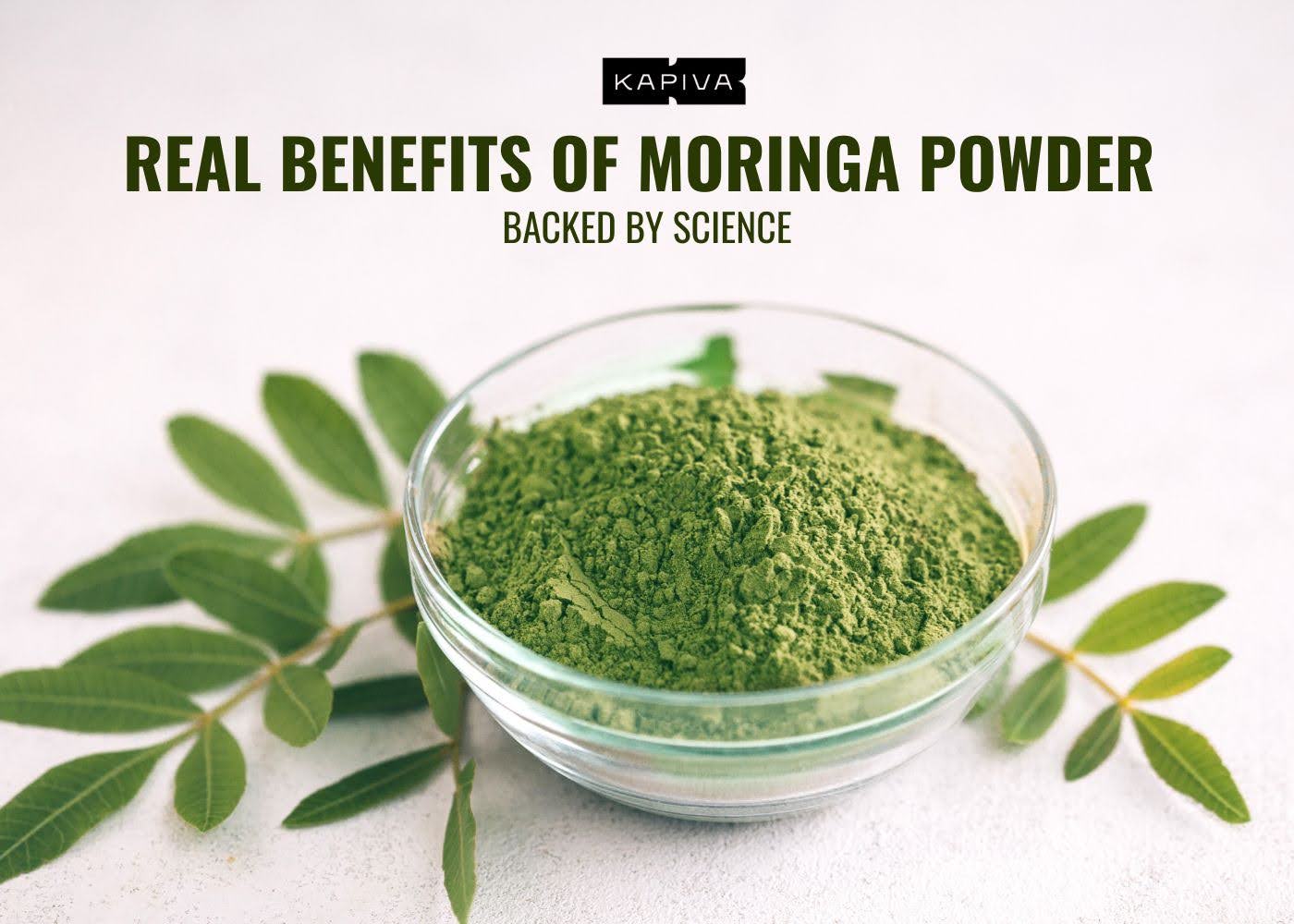
Real Benefits of Moringa Powder Backed by Science

Your body works continuously to maintain energy, immunity, and overall balance. Busy schedules, processed meals, and daily stress create gaps in nutrition, which eventually show up as fatigue, poor digestion, and lowered immunity. Moringa powder, made from the leaves of the Moringa oleifera tree, fills these gaps with natural strength. Its use in Ayurveda spans centuries, and research now confirms the powerful nutritional benefits of this green superfood. Below is a crisp, human-friendly breakdown of the most important moringa powder benefits, backed by science and rooted in traditional wellness. What Makes Moringa Powder a Nutritional Powerhouse? Moringa leaves carry an unusually high concentration of essential nutrients. The powder provides complete plant-based protein containing all nine essential amino acids, along with vitamins A, C, E, and B-complex nutrients. Minerals like calcium, magnesium, iron, and zinc make the profile even more powerful. Antioxidant activity is where moringa truly shines. ORAC studies show moringa’s antioxidant score surpasses several nutrient-dense greens. Ayurveda classifies moringa as a Sattvic food that supports Ojas (vital energy) and helps balance Vata and Pitta doshas linked to fatigue, weak immunity, and digestive concerns. How Moringa Powder Supports Natural Energy Many people feel drained even with adequate rest, often due to micronutrient deficiencies. One of the most noticeable moringa powder benefits is stable, balanced energy. Iron in moringa improves oxygen supply to cells, reducing tiredness. Research shows moringa contains more iron than spinach. B-complex vitamins convert food into usable energy, while magnesium activates enzymes critical for energy production. Moringa doesn’t act like caffeine; it supports your natural metabolic processes. This helps you stay alert throughout the day without sudden highs or dips. Kapiva Moringa Powder preserves these nutrients through gentle processing, making it ideal for daily use. How Moringa Powder Benefits Your Energy Levels Naturally A strong immune system depends on nutrient-rich foods. Moringa contains several times more vitamin C than oranges, supporting white blood cell activity and protecting immune cells from oxidative stress. Vitamin A and beta-carotene strengthen mucous membranes, forming a barrier inside your respiratory and digestive system that blocks pathogens. Quercetin and isothiocyanates, two key phytonutrients in moringa, support the body’s natural inflammatory response. Clinical publications, like the one here, highlight these benefits: https://www.medicalnewstoday.com/articles/319916 Ayurveda associates strong immunity with balanced Agni (digestion) and healthy Ojas. Moringa supports both, especially during seasonal changes. Moringa Powder Benefits for Gut Health Digestive health influences immunity, mental clarity, and overall vitality. Moringa contains both soluble and insoluble fibre, which support your gut in different ways. Soluble fibre helps regulate bowel movements Insoluble fibre feeds good gut bacteria Anti-inflammatory compounds soothe the digestive tract Minerals like magnesium and calcium assist smooth intestinal movement and digestive enzyme activity. Ayurveda views moringa as a digestive tonic that enhances Agni gently without overheating the body. Organic Moringa Powder Benefits for Bone Strength Bone strength depends on more than calcium alone. Moringa provides calcium alongside vitamin K, magnesium, phosphorus, and trace minerals like manganese and boron. Vitamin K guides calcium to bone tissue Magnesium activates vitamin D for better absorption Phosphorus works with calcium to build structure Studies on postmenopausal women supplementing with moringa show improvements in antioxidant markers tied to bone health. Using moringa with sunlight exposure and weight-bearing exercises helps support long-term bone strength. Moringa Powder Benefits for Females and Hormonal Balance Women go through hormonal cycles across menstruation, pregnancy, postpartum, and menopause. Moringa supports these transitions with nutrient-dense properties. Iron supports menstrual health. Calcium, magnesium, and vitamin K protect bone density as estrogen naturally declines with age. Antioxidants help reduce oxidative stress linked to hormonal discomfort. Postmenopausal women show improved antioxidant status with moringa Fibre supports healthy estrogen metabolism Magnesium supports muscle relaxation and mood steadiness Ayurveda recommends moringa for calming aggravated Vata and Pitta during these hormonal phases. Kapiva Moringa Powder offers a simple way to integrate these benefits into daily routines. How to Use Moringa Powder for Best Results Best Time to Take It Most people prefer taking moringa in the morning for better absorption and natural energy support. Dosage Start with ½ teaspoon and increase gradually to 1–2 teaspoons daily. Ways to Use It Add to smoothies for a daily nutrient boost Mix into warm water with lemon as a morning tonic Stir into soups or dals at the end of cooking Add to energy balls or cooled herbal teas Consistency Matters Benefits typically appear between 2–8 weeks. Pairing Moringa with Daily Wellness Habits Moringa works best when combined with a supportive lifestyle routine. Eat whole, natural meals Vegetables, fruits, whole grains, legumes, and healthy fats help your body use moringa’s nutrients more effectively. Stay hydrated Water keeps digestion, detoxification, and cell function balanced. Move your body Walking, yoga, and strength training enhance energy and bone health, complementing moringa’s effects. Prioritize sleep Aim for 7–8 hours of nightly rest to support natural repair cycles. Manage stress consciously Deep breathing and short meditation sessions help reset your nervous system. Get morning sunlight Vitamin D works synergistically with the minerals in moringa. Supporting these habits with Kapiva Moringa Powder helps maintain long-term wellness. Conclusion Moringa powder stands out as one of nature’s most complete nutritional supplements. Research validates its traditional use for supporting energy, immunity, digestion, bone health, and women’s hormonal balance. Kapiva brings you this ancient Ayurvedic wisdom in a pure, easily absorbable form. Made from organically grown moringa leaves and processed to retain maximum nutrients, it offers a simple way to support your daily wellness. Each serving helps increase energy levels, strengthens the immune system with phytonutrients, and keeps your gut and bones healthy with essential minerals. Moringa works best as part of a balanced lifestyle. Combine it with nourishing food, adequate rest, regular movement, and stress management. If you have existing health conditions, are pregnant, nursing, or taking medications, consult your healthcare provider before use. If you’re looking for a clean, nutrient-dense moringa powder that fits seamlessly into your daily routine, Kapiva’s Moringa Powder is a reliable choice. It delivers the purity, potency, and consistency your wellness journey

Categories
Ashwagandha

How Hormonal Imbalance Disturbs Your Daily Life, And How Can Ashwagandha Help?

You wake up exhausted despite eight hours of sleep. Your mood swings from irritable to anxious without warning. The weight around your midsection won’t budge no matter what you try. Sound familiar? These aren’t random symptoms. They’re your hormones sending distress signals. Hormonal imbalances affect millions of people daily, disrupting everything from energy levels to emotional well-being. But here’s what most people don’t realize: an ancient Ayurvedic herb called ashwagandha has been helping restore hormonal balance for over 3,000 years. Now clinical research confirms what traditional practitioners always knew. How Hormonal Imbalance Disrupts Your Daily Life Your hormones control nearly every bodily function. When they fall out of balance, the effects ripple through your entire day. The Cortisol Crisis Cortisol, your primary stress hormone, should peak in the morning and gradually decline throughout the day. Chronic stress keeps cortisol elevated around the clock, leading to persistent fatigue despite adequate sleep, difficulty concentrating and brain fog, increased belly fat storage, weakened immune function, and disrupted sleep patterns. Thyroid Troubles Your thyroid regulates metabolism, energy, and mood. When it underperforms, you experience unexplained weight gain, constant tiredness, feeling cold all the time, dry skin and hair loss, and depression and low motivation. Testosterone And Estrogen Imbalances Both men and women need balanced sex hormones. Imbalances cause low energy and reduced stamina, decreased muscle mass, mood swings and irritability, reduced libido, and difficulty managing weight. As we explore in our guide to ashwagandha benefits, these symptoms often overlap, making hormonal imbalance difficult to identify without understanding the root cause. How Ashwagandha Restores Hormonal Balance Ashwagandha (Withania somnifera) works differently from synthetic hormone treatments. As an adaptogen, it helps your body find its own equilibrium rather than forcing hormones in one direction. Cortisol Regulation Clinical research found that 300mg of ashwagandha root extract twice daily reduced serum cortisol levels by 27.9% after 60 days. Participants reported significantly lower stress and anxiety scores alongside this hormonal improvement. When cortisol normalizes, you experience better sleep quality, improved mental clarity, easier weight management, stronger immunity, and more stable moods. Thyroid Support A study in the Journal of Alternative and Complementary Medicine found ashwagandha root extract normalized thyroid indices in subclinical hypothyroid patients after 8 weeks. TSH, T3, and T4 levels all showed significant improvements. Kapiva’s Ashwagandha Gold Capsules combine Nagori Ashwagandha with Himalayan Shilajit and Gold Bhasma, ingredients that work synergistically to support thyroid and metabolic function. Testosterone And Vitality Research in the American Journal of Men’s Health demonstrated that ashwagandha supplementation increased testosterone levels by 14.7% more than placebo in overweight men. Participants also reported improved energy, reduced fatigue, and better overall vigor. Signs Your Hormones Need Support How do you know if a hormonal imbalance is affecting your daily life? Watch for these warning signs. Energy Patterns: Waking up tired, afternoon crashes, or feeling wired at bedtime suggest cortisol dysregulation. Weight Changes: Unexplained weight gain, especially around the midsection, often indicates cortisol or thyroid issues. Mood Instability: Anxiety, irritability, or depression without a clear trigger point to hormonal involvement. Sleep Disruption: Difficulty falling asleep, staying asleep, or waking unrefreshed despite adequate hours. Physical Symptoms: Hair loss, dry skin, temperature sensitivity, or reduced muscle tone. If you recognize three or more of these patterns, hormonal imbalance may be disrupting your daily life. The Ashwagandha Advantage Over Synthetic Options Why choose ashwagandha over pharmaceutical hormone treatments? The Science of Ayurveda offers a fundamentally different approach. Balancing Vs Forcing: Synthetic hormones push your levels in one direction. Ashwagandha works as an adaptogen, helping your body produce and regulate its own hormones naturally. This means fewer side effects and more sustainable results. Multiple Systems Support: Pharmaceutical treatments typically target one hormone. Ashwagandha simultaneously supports cortisol, thyroid, and reproductive hormones because it addresses the underlying stress response affecting all these systems. Safety Profile: Clinical trials lasting up to 48 weeks show ashwagandha root extract is well-tolerated with minimal side effects. This makes it suitable for long-term use. As our article on using ashwagandha for stress relief explains, addressing stress at the root level creates cascading benefits across all hormonal systems. How To Use Ashwagandha For Hormonal Balance For optimal hormonal support, follow these guidelines. Dosage: 300-600mg daily of standardized root extract. Most clinical studies use this range with excellent results. Timing: For cortisol support, take in the evening to promote relaxation. For thyroid and energy, morning dosing works well. Some people split the dose between morning and evening. Consistency: Ayurveda shows benefits from the 1st week of consumption, with deeper hormonal transformations emerging over 6 months. Stick with it for lasting results. Quality Matters: Look for products standardized to 2.5-5% withanolides. Kapiva’s Ashwagandha Gold Capsules use 183rd-day harvested Nagori Ashwagandha, formulated by experts at Kapiva Academy of Ayurveda and manufactured in GMP-certified, USFDA-approved facilities. Ready To Restore Your Hormonal Balance? Kapiva’s Ashwagandha Gold Capsules combine traditional Ayurvedic wisdom with clinically tested ingredients. Support your cortisol, thyroid, and vitality naturally with no harmful side effects. Consult A Doctor | Explore Ashwagandha Range Frequently Asked Questions Q: How Long Does Ashwagandha Take To Balance Hormones? A: Initial improvements in stress and sleep often appear within 2-4 weeks. Thyroid and testosterone changes typically require 8-12 weeks of consistent use. The Science of Ayurveda teaches that Ayurveda takes 6 months to make big changes from within. Q: Can Ashwagandha Help With Thyroid Problems? A: Clinical research shows that ashwagandha normalized thyroid indices in subclinical hypothyroid patients after 8 weeks. Kapiva’s Ashwagandha Gold Capsules support healthy thyroid function. Consult your healthcare provider if you have a diagnosed thyroid condition. Q: Does Ashwagandha Increase Testosterone? A: Yes. Research found that ashwagandha supplementation increased testosterone by 14.7% more than a placebo in men. It also supports healthy testosterone levels in women without causing imbalance. Q: Can Women Take Ashwagandha For Hormonal Balance? A: Absolutely. Ashwagandha supports cortisol regulation, thyroid function, and reproductive hormone balance in women. It may help with stress-related menstrual irregularities and menopausal symptoms. Q: Are There Side Effects Of Ashwagandha For Hormones? A:

Categories
4 Balance

Recipes for Weight Care – Ragi the Superfood

Ragi is a fiber famous to most of us, yet here’s something you may not know of. Ragi is known as a rich source of healthy plant-based proteins containing an amino acid known as Tryptophan, which helps in curbing appetite and boosting metabolism. Here’s a quick & healthy recipe to include in your diet! Ragi Idli. Ingredients 12 cups Ragi Flour / Finger Millet Flour 1/2 cup Sooji 1/2 cup Yogurt 1/2 tsp Baking Soda 1/2 cup water or as needed Salt to taste Instructions 1. Combine the ragi flour, sooji & salt. Mix well 2. Add yogurt to the mixture & mix again 3. Add water slowly to make a batter 4.  Let the batter sit for about 15-30 mins 5. Mix the batter once and add water if needed (should have a normal idli batter consistency) 6. Add baking soda & mix until well combined 7. Immediately fill the greased idli plates with the prepared batter & steam cook for 8-10 mins over a high flame   Issues with your diet? We can help!  Consult Now  

Categories
4 Balance

Yoga for Weight Care – Burn that Belly

At Kapiva we believe that weight care needs to be approached in a holistic manner, we will continue to share with you lifestyle content that can help with a balanced approach to your weight journey. As part of the same, here are our Yoga Asanas for Weight Care, to see better results as you progress. Please take 15 minutes out in a day, preferably in the morning & bring these as part of your routine. We will share new Asanas with a guided video, which helps specific aspects of your weight care. Today’s Yoga Asana for Weight Care is “Triyak Tadasana” What does it do? Stretches side muscles & compressed joints for smooth blood & nutrient flow. Why should you do it? For flexibility & help burn belly fat accumulated around the waist.