
Categories
Wellness

Moringa vs Spirulina vs Wheatgrass: Which Is Best?

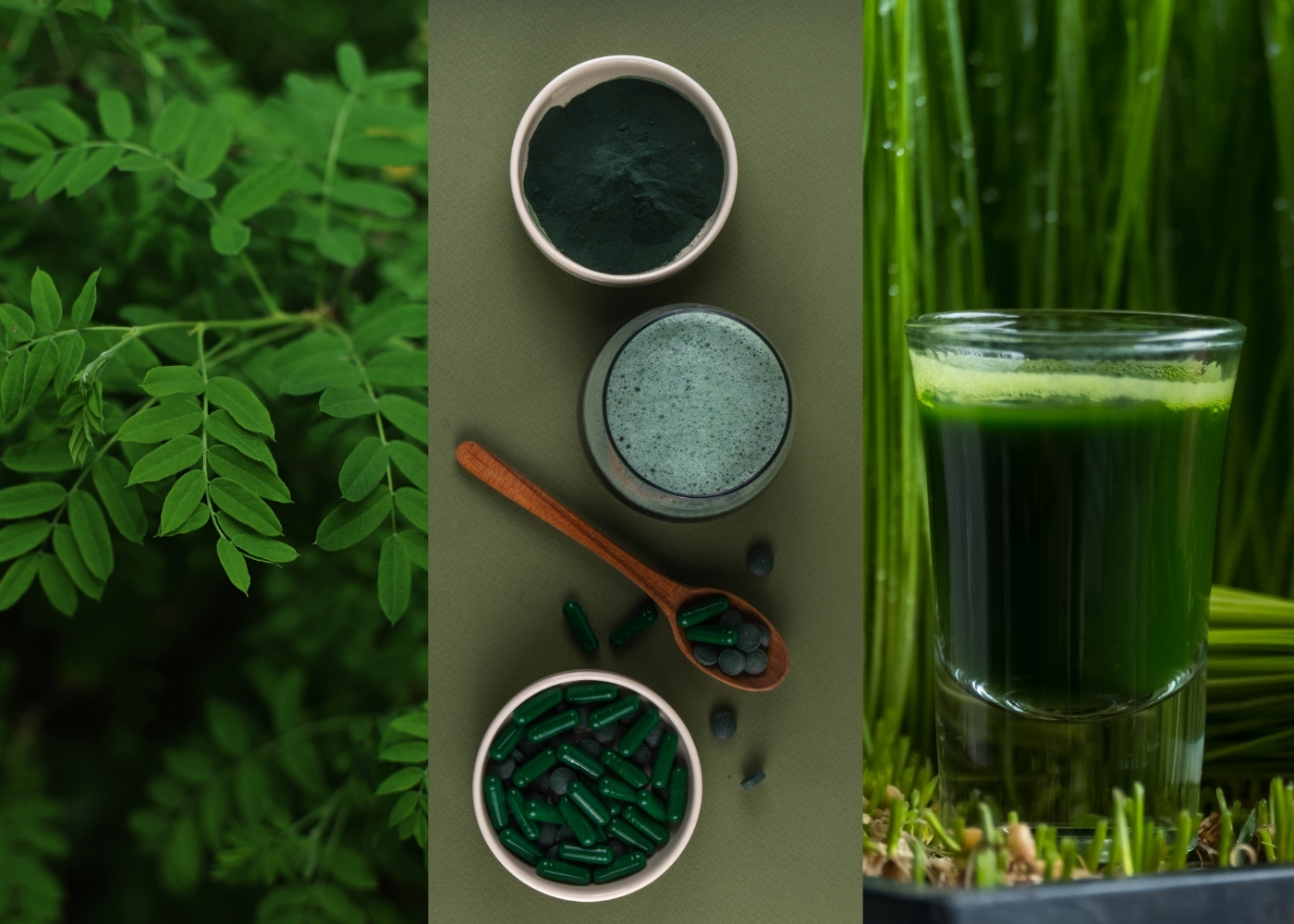
Supergreens have become essential study supplements in India and worldwide, with students and professionals seeking natural ways to boost energy, support immunity, and enhance mental clarity. Among the most popular options, Moringa, Spirulina, and Wheatgrass each offer unique nutritional profiles that make them stand out. But which one delivers the best results for your specific health goals? Whether you’re a student preparing for competitive exams or a working professional managing daily stress, understanding the differences between these superfoods helps you make informed choices. Many people also combine these greens with adaptogens like ashwagandha for concentration and sustained mental performance throughout demanding schedules. Moringa: The Nutrient Powerhouse Moringa oleifera, often called the “drumstick tree” or “miracle tree,” contains over 90 nutrients, including vitamins A, C, and E, calcium, potassium, and all nine essential amino acids. Research published in the Journal of Food Science and Technology highlights Moringa’s exceptional antioxidant capacity, which helps combat oxidative stress linked to fatigue and brain fog. Moringa’s iron content makes it particularly valuable for women and those with low energy levels. The leaves also contain quercetin and chlorogenic acid, compounds that support healthy blood sugar levels and sustained energy release. Kapiva Moringa products deliver these benefits in convenient formats, and for students dealing with brain fog, Moringa’s neuroprotective properties offer natural cognitive support when combined with ashwagandha for memory improvement. Spirulina: The Protein-Rich Blue-Green Algae Spirulina is a blue-green algae containing 60-70% complete protein by weight, making it one of the most protein-dense foods on earth. According to research, phycocyanin content provides powerful anti-inflammatory and antioxidant benefits that support overall vitality. Spirulina excels in providing B-vitamins, particularly B12 (though in a form with variable bioavailability), iron, and gamma-linolenic acid (GLA). Its high chlorophyll content supports natural detoxification. For those seeking exam anxiety natural remedies, Spirulina’s nutrient density helps maintain stable energy levels during intense study sessions without the crashes associated with caffeine. Wheatgrass: The Detoxification Champion Wheatgrass, harvested from young Triticum aestivum plants, contains 70% chlorophyll, earning it the reputation as nature’s most effective detoxifier. Kapiva Wheatgrass Juice is harvested on the 8th day when nutrient density peaks, ensuring maximum potency in every serving. Wheatgrass contains vitamins A, C, E, K, and B-complex along with minerals like iron, calcium, and magnesium. Its alkalizing properties help balance the body’s pH levels, which often become acidic due to stress, processed foods, and irregular eating habits common among students. Research suggests wheatgrass supports liver function and blood purification, making it ideal for those experiencing sluggishness from sedentary study routines. Nutritional Comparison At A Glance Factor Moringa Spirulina Wheatgrass Protein Content Moderate Highest (60-70%) Low Chlorophyll Moderate High Highest (70%) Best For Overall nutrition Protein, energy Detox, alkalizing Taste Mild, earthy Strong, seaweed Fresh, grassy Which Supergreen Is Best For You Choose Moringa if: You need comprehensive nutritional support, have an iron deficiency, or want antioxidant protection. Moringa works well as a daily multivitamin alternative. Choose Spirulina if: You prioritize protein intake, follow a plant-based diet, or need sustained energy for workouts and long study sessions. Choose Wheatgrass if: Detoxification is your primary goal, you experience digestive sluggishness, or you want to alkalize your system after periods of unhealthy eating. Enhancing Results: Combining Supergreens With Ashwagandha While supergreens provide essential nutrients, many students and professionals enhance their regimen by adding ashwagandha for focus and cognitive support. Ashwagandha’s adaptogenic properties help manage exam stress naturally while supporting memory retention during intensive learning periods. The KSM-66 Ashwagandha Capsules offer clinically studied cognitive benefits that complement any supergreen of your choice. Research demonstrates that ashwagandha supports healthy cortisol levels, which directly impact mental clarity and the ability to retain information under pressure. For students preparing for competitive exams, this combination of nutrient-dense greens and adaptogenic support creates a foundation for sustained mental performance without relying on stimulants. Ready to boost your wellness naturally? Shop Kapiva Wheatgrass Juice for detoxification, Moringa products for complete nutrition, or KSM-66 Ashwagandha for cognitive support. All Kapiva products are formulated by experts at Kapiva Academy of Ayurveda and manufactured in GMP-certified, USFDA-approved facilities. Frequently Asked Questions Q: Can I take all three supergreens together? A: Yes, Moringa, Spirulina, and Wheatgrass can be combined safely. However, starting with one allows you to assess individual benefits. Many people rotate between them or use different greens for specific purposes. Q: When is the best time to consume supergreens? A: Morning consumption on an empty stomach maximizes absorption. Kapiva Wheatgrass Juice is best consumed 20-30 minutes before breakfast for optimal detoxification benefits. Q: Are supergreens safe for students during exam preparation? A: Absolutely. Supergreens provide natural energy without caffeine jitters. Pairing them with ashwagandha for students offers comprehensive support for both physical vitality and mental performance during demanding academic periods. Q: How long before I notice benefits? A: Most people notice improved energy within 1-2 weeks. Ayurveda takes 6 months to make big changes from within, so consistent daily use yields the best long-term results for detoxification and overall wellness.
Categories
Wellness

9 Health Benefits Of Neem Juice

There are multiple benefits of drinking neem juice on an empty stomach every morning. The essential bio-active ingredients in neem and its therapeutic properties make it a household favourite. It helps fight digestive issues, regulates blood sugar and diabetes, treats ulcers and wounds, prevents oral problems, enhances skin qualities, diminishes hair woes, etc. 

Categories
Wellness

6 Health Benefits of Gulkand

Organic gulkand is extremely good for your health and particularly beneficial as a natural coolant during the peak summer heat. As an everyday tonic for people of all ages, it supports good digestive health, controls menstrual symptoms, and prevents the skin to age prematurely.

Categories
Wellness

Drinking Apple Cider Vinegar on an Empty Stomach Benefits

What Is Apple Cider Vinegar? Apple Cider Vinegar (ACV) has long been used as a household remedy to cure many ailments. A quick shot diluted with water of ACV on empty stomach can work wonders for anyone looking to lose weight, help maintain blood sugar levels and support the prevention of other lifestyle diseases. The Apple Cider Vinegar drink has also been used in cooking – whether as a dressing for salads or sauces – this versatile ingredient can come into use in many ways. Apple cider vinegar’s anti-bacterial and anti-microbial properties also help keep infections at bay. Being rich in various acids, minerals, and live cultures, Apple Cider Vinegar is a versatile ingredient that can be the most straightforward household favourite.  What Are The Benefits Of Apple Cider Vinegar? There are many benefits of drinking apple cider vinegar on empty stomach. These include blood pressure, cholesterol, regulating body PH, sunburn, dandruff, leg cramp, and ageing. With nutritional components like Pectin, Vitamin B1, Vitamin B2, Vitamin B6, Biotin, Folic Acid, and Vitamin C, Potassium, Calcium, apple cider vinegar is made up of all the right things. 1. Acts As An Immunity Booster As the organic apple cider vinegar is fermented, it contains many healthy bacteria and prebiotics that can help in building immunity. The antibacterial properties of Apple cider vinegar can fight off pathogens that may harm your body. One of the key benefits of drinking apple cider vinegar on empty stomach is detoxification. It also boosts blood circulation, which may help the body remove toxins quickly. 2. Aids Weight Loss Taking a glass full of water with Organic Apple Cider Vinegar dissolved in it or using it as a dressing for salad alongside olive oil can promote sustainable weight loss. Taking a calorie-restricted diet alongside a healthy exercise schedule can help maintain people’s perfect body mass index. Acetic acid has historically proven to keep you feeling full for more extended amounts of time, thereby aiding weight loss. 3. Controls Blood Sugar  Apple cider vinegar is widely used to treat or control type 2 diabetes across the world. It is a known fact that type 2 diabetes is characterized by high blood sugar levels, which are caused due to the inability to produce enough insulin in the body.  Consuming ACV on empty stomach can help prevent sugar spikes in the blood after eating by improving the body’s insulin sensitivity. This can help in the prevention of serious ailments.  4. Keeps Skin Supple And Young Human skin is known to have a natural pH balance, but the balance might get disturbed due to the increase in pollution and our hectic schedules. This also becomes a problem when using various beauty products to treat your skin. Taking half a cup of diluted apple cider vinegar to rinse our skin with can help restore the skin’s ph level. After doing so, you can leave the mixture on your skin for 15 to 30 minutes. Repeating this process regularly will help your skin in significant measures. One of the beneficial skin benefits of drinking apple cider vinegar on empty stomachis that it helps you get rid of dead skin cells.  Adding a few drops of apple cider vinegar can also help you eliminate any ageing spots on your face and body.  5. Builds A Healthier Scalp  Apple cider vinegar has many medicinal properties, and it is used to remedy any issues. Some of which include –  Apple cider vinegar has shown some anti-fungal properties. Alongside acting like a disinfectant in many households. Thus, many people swear by it to cure hair-related issues like dandruff. Even though acidic, apple cider vinegar is not very harsh, which helps restore the pH balance of your hair.  To get rid of dandruff, you can start mixing a couple of tablespoons of Apple Cider Vinegar with water. Follow this up by shampooing and conditioning, then pour the mixture over your hair and work it into your scalp. After letting it sit for a couple of minutes, wash it out with cold water. 6. Helps Maintain A Healthy Gut Due to today’s unhealthy diet and heavy reliance on packaged and fried food, many people suffer from acidity, gastronomical diseases, and bloating, all of which result from slow digestion. Apple Cider Vinegar is naturally acidic, so for people with low stomach acidity, Apple Cider Vinegar can help maintain the stomach’s pH levels while killing the bacteria present in the stomach or the intestine. Some studies also claim that Apple Cider Vinegar can be used to ease inflammation in the stomach that can be caused due to problematic foods. By preventing the growth of harmful bacteria in our guts, apple cider vinegar will also prevent or reduce inflammation. 7. Cures Infections Related To Nasal Passage  It is not a hidden fact that Apple Cider Vinegar is rich in nutrients that help build the body’s immune system. Consuming 1 to 2 tablespoons a day of ACV on an empty stomach can help fight many human body ailments. Whenever you find your nasal passage blocked or any other problem like the sinus, you  can help your pure body recover by making a medical infection clearer. All you need is a small amount of Apple Cider Vinegar, 1 tablespoon of Cayenne pepper, a freshly squeezed lemon, a tablespoon of honey, and half a cup of water.  Instead of using regular ACV, add the Apple Cider Vinegar honey to water and cook over medium heat. Proceed by adding the rest of the ingredients. The Apple Cider Vinegar Honey has a mild taste compared to the acidic ACV. Together apple cider vinegar and honey can help you get rid of any infection that is building in your nasal passage. 8. Boosts Energy Level Due to its rich contents like potassium and other enzymes, apple cider vinegar acts as a natural electrolyte solution. So, every time you feel out of energy, you can use a shot of apple cider vinegar to help your body regain its strength. Whether intensive exercise or excessive

Categories
Wellness

10 Benefits Of Consuming Virgin Coconut Oil

Virgin coconut oil improves heart health by increasing HDL (good cholesterol) levels, controlling blood sugar levels, helping in effectively managing weight, improving skin and dental health, boosting your immune levels, strengthening and nourishing joints, and improving memory and cognition levels.

Categories
Skin and Hair Wellness

Here’s Why Ghee Massages Are Good For The Body

Origin Of Ghee Before digging into the nitty-gritty, let’s first clear the foundations. What is Ghee? Regarded as an essential component in Ayurveda and traditional Indian medicines, the origin of the word Ghee takes roots from the Sanskrit word, which is ghrta. Ghee is essentially clarified butter – a golden coloured liquid (semi-liquid, in fact) with its unique aroma and flavour. It has a wide range of applications – from cooking to healing in our day-to-day life. Types Of Ghee Ghee is not limited to one form. Many different types of ghee come with varying types of extra benefits. Some of these ghee types are: Cow Ghee Sheep Ghee Goat Ghee Buffalo Ghee Vegan Ghee While most of these types have commonalities, the ghee from cow milk is one of the most commonly used and studied ghee among its counterparts. Use Of Ghee In Ayurveda Apart from massage with ghee, there are many other benefits of ghee as per the Ayurvedic text, Sushruta Samhita, such as: Pacifies aggravated Vata and Pitta dosha  Lubricates tissues and promotes flexibility Aids digestion and promotes healthy microbes in the gut Enhances Ojas or “life energy.” While I’d highly recommend desi cow ghee compared to others, overall, ghee offers similar benefits. But having used a variety of ghee over the years, nothing compares to pure desi cow ghee when it comes to consumption in our meals or as the ghee of choice for massages. Massages And Use Of Ghee The benefits of cow ghee are also one of the big reasons why massage with ghee in ayurveda healing traditions still plays a significant role today. At the same time, the vegan ghee that is gaining traction is a blend of different oils, including coconut oil. There’s one question that arises most commonly, which is: “what are desi ghee massage benefits?” While ghee has countless health benefits as part of our diet, there are fantastic benefits of ghee massage on body, especially for our skin and pain. I was introduced to desi massage with ghee at the Ayurvedic hospital in Gujarat. It was actually Panchagavya ghee (a mix of desi cow ghee, curd, milk, urine, and gobar). This ghee had significant healing qualities. Unlike other oils that require deep penetration into the skin, pure ghee is considered the ideal substance for massaging oneself. Ghee massage for knee pain is one of its incredible benefits. Our body absorbs approximately 60% of what we coat on our skin. It’s no wonder that the richness of ghee is felt when doing a massage, given that it strengthens and nourishes our body. Goodness / Benefits Of Ghee Massage On Body Check out some other benefits of ghee massage on body below: 1. Promotes Hydration And Cleansing From newborns to the end of life, massage with ghee for babies provides a level of soothing and comfort that other oils cannot replicate. One of the key ghee massage benefits is it cleanses our systems from the outside and permits hydration throughout the body, making us less likely to fall ill. It also helps us recover lost energy that much quicker if and when we happen to fall sick. 2. Rubbing Ghee On Feet For Instant Relief Massaging the bottom of your feet with ghee and a copper bowl was one of the tricks I learned at the hospital. Ghee massage benefits for cough is really beneficial that came as a surprise to me. I was shocked to see my feet turn pitch black, but I felt my body cooling down instantly despite the scorching and humid weather. One of the key benefits of ghee massage on body was that the ghee was ridding my body of the toxins that had built up heat in my system, putting me off my routine and balance. 3. For A Relieving Ayurvedic Foot Massage At Night The practice of applying ghee as an Ayurvedic tradition to have a relaxing foot massage at night is called “Padabhyanga.” There are many ghee massage benefits when applied on the feet at night, such as:  Relief from stress and anxiety Enhanced foot health by preventing cracks and nourishing the skin Improvement in sleep quality Improves functioning of the heart Helps in relief from an aggravated Vata dosha Conclusion The benefits of ghee massage on body are immense. As a wonder food that is good health for skin, hair, and health in general, it can be applied to various areas over the body such as the lips, elbows, foot, hair, cuticles, and so on. It helps improve the skin in that area exponentially through ghee massage benefits. To make sure before using ghee for these purposes is to purchase one from a reputable brand or company and use one free of all additives and chemicals because it’s in the purity of natural ghee where the actual good properties lie. Its versatility makes this food a valuable component in a variety of applications. FAQs Q. Is it good to massage your body with ghee? Yes. Ghee massage or Abhyanga helps reduce muscle stiffness, supports excellent nervous system health, triggers the digestive firs, and increases blood circulation. It nourishes the tissues, muscles, and joints. It improves skin texture and fights signs of premature skin ageing. Q. Is ghee good for skin and hair? Yes. Applying ghee on the skin softens and smoothes the skin texture. Ghee improves blood circulation and fights signs of skin ageing like wrinkles, scars, and cellulite (skin fat). Vitamin A and vitamin D in ghee moisturize the scalp and improve hair texture and strength. Ghee nourishes the scalp and hair follicles and stimulates hair growth. It is also effective against the itchy scalp, dandruff, and split ends. Q. Is ghee massage good for bones and joints? Yes. Ghee is very effective for stiff joints and relieving joint pain. Vitamin K2, present in ghee, improves calcium absorption in bones, improves joint lubrication, and suppresses inflammation that is the root cause of joint pain and arthritis. Q. What happens when you apply ghee to your